

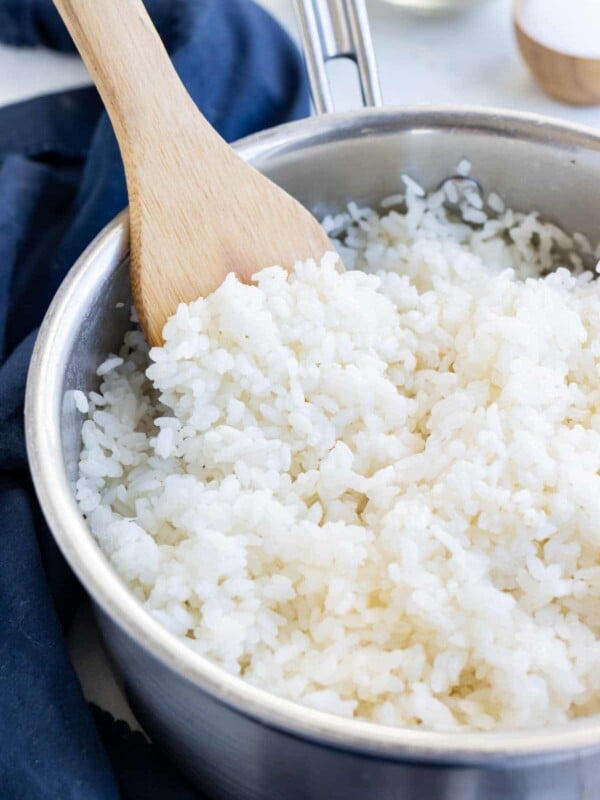

Good sushi starts with really good rice.

Let me see some hands if you crave sushi on a regular basis!!
I realized, after MUCH indulging, I was mostly craving the slightly sweet and vinegar-soaked sushi rice rather than the filling or topping. It was so addicting and delicious.
My mission became to master the art of this special rice. Then, I learned How to Roll Sushi at home. Now, we have California Rolls, Avocado Sushi, and Philadelphia Rolls on the regular.
You can avoid the sushi price tag and enjoy a delicious Japanese dinner at home. And, have fun doing it!
What is Sushi Rice?
Sushi means “sour-tasting” in Japanese. Contrary to popular belief, this term refers to the rice and not the fish.
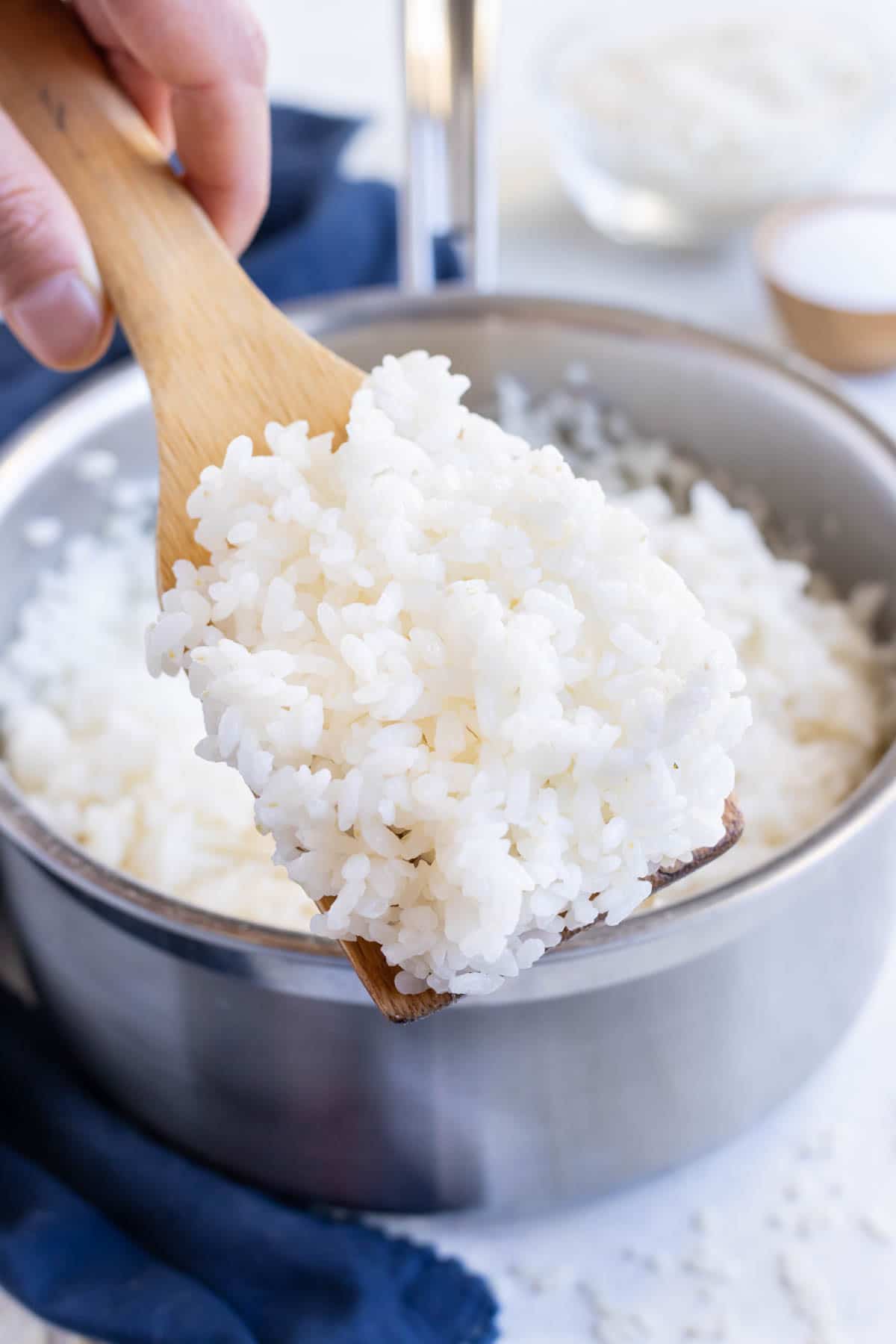
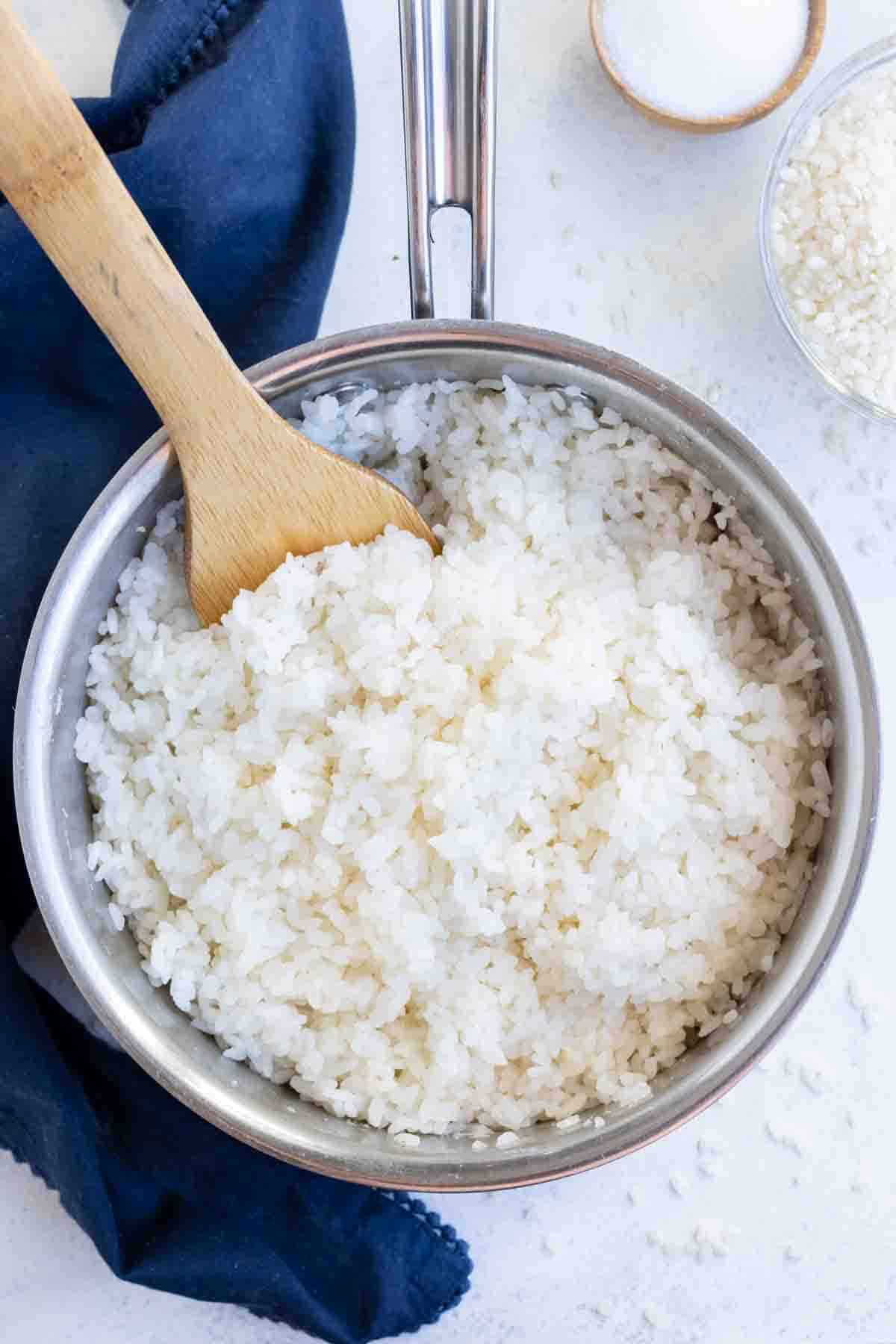
Sushi rice is made from Japanese short-grain white rice seasoned with vinegar and sugar. The type used as well as the process is important.
And unlike the regular variety, sushi rice is steamed so it is stickier.
If you are unable to find white, Japanese short-grain rice, there are other types you can use. Medium-grain rice can work in a pinch. However, never use long-grain, as it doesn’t have the right texture or enough starch.
Perfect and delicious! Thank you!
– Christine
Ingredients and Substitutions
For the exact measurements and detailed instructions, please see the recipe card below.
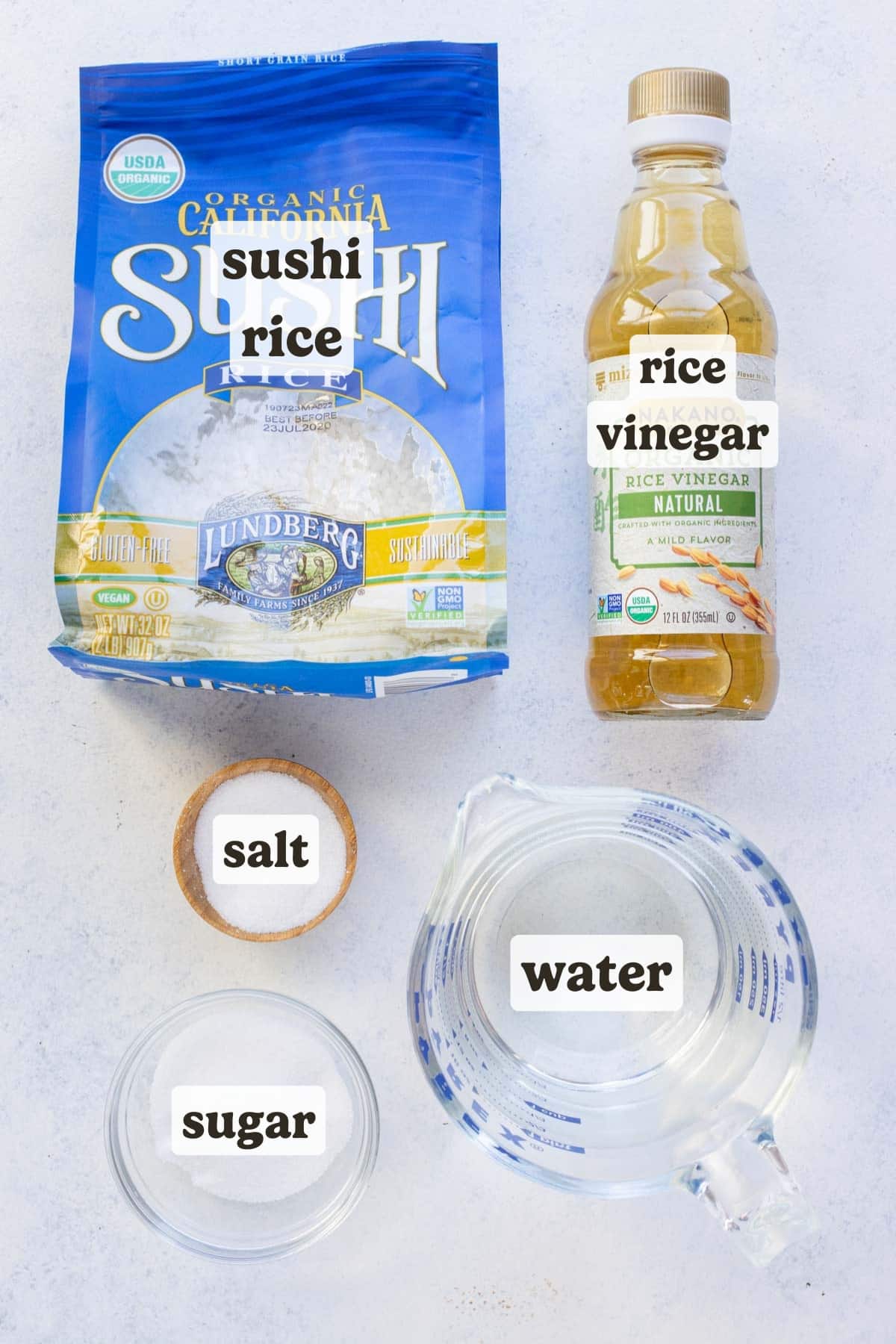
- Rice. Short-grain Japanese or California rice is the best to use as it has a higher starch content than longer grain varieties. You can find bags of it in your local grocery store on either the grains or Asian food aisle. They will typically be labeled “sushi rice”.
- Water. Regular tap water will work just fine, but filtered water is even better.
- Rice Vinegar. Do not substitute this for any other type of vinegar or even rice wine vinegar. It will taste drastically different!
- White sugar. Regular white sugar is the best to use and it is not recommend to substitute it for any other type of sugar.
- Oil. Vegetable or avocado oil is recommended here. Other oils with a strong flavor (i.e. olive oil) will be too overwhelming and will make it taste a bit “off.”
- Salt. Adding salt to your dish is optional and you can add as much or as little as you would like to season it.
Pro Tip: If you are using a “sushi vinegar” make sure to read the label – they often already have sugar and sometimes even salt added into them and will affect your finished product.
Step-by-step Instructions
Please see the recipe card below for the full instructions, ingredient amounts, and a printable recipe.
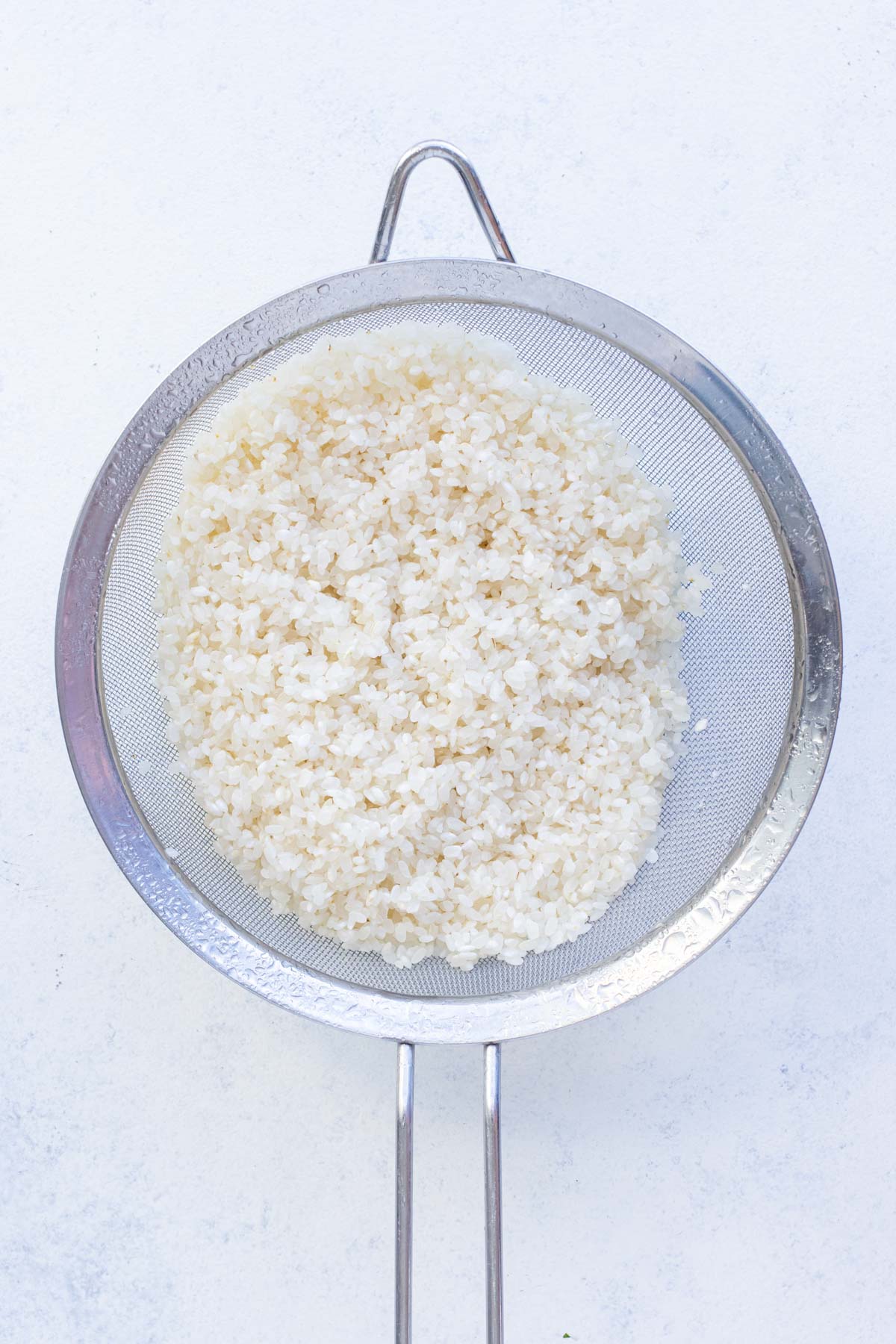
Rinse the rice.
Place the sushi rice in a fine-mesh strainer and rinse under running water for a minute or two. Allow any excess liquid to drain and let dry completely on a paper towel for at least 10-15 minutes.
You absolutely need to rinse sushi rice with water before cooking. If not, the extra starch will cause it to clump together too much and make it too sticky.
Cook the rice.
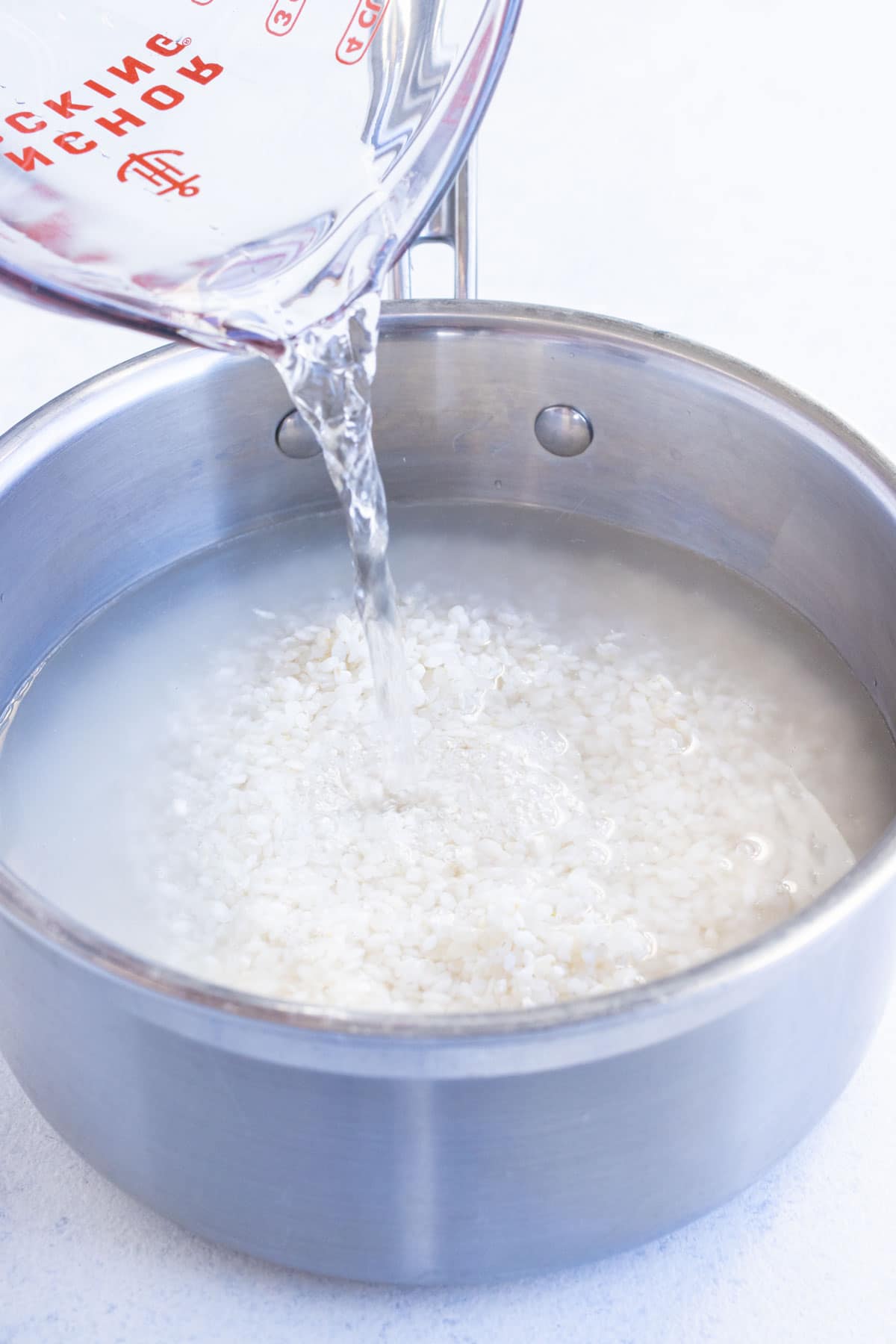
Place water and uncooked rice in a saucepan. Be sure to read the directions on the bag to ensure you have the correct ratio.
On the stovetop, bring the water to a full boil. Immediately reduce the heat and allow the rice and water to simmer COVERED for 20 minutes. When the time is up, remove the lid and fluff the rice.
If you have a rice cooker, add rinsed rice and water to the pot. Set it to the white rice setting if it has one. Otherwise, simply turn it on.
To make rice in an Instant Pot, combine rice and water in the pot. Choose the “Rice” function if available. If not, cook for 3 minutes then allow a 10-minute natural release.
Make the vinegar mixture.
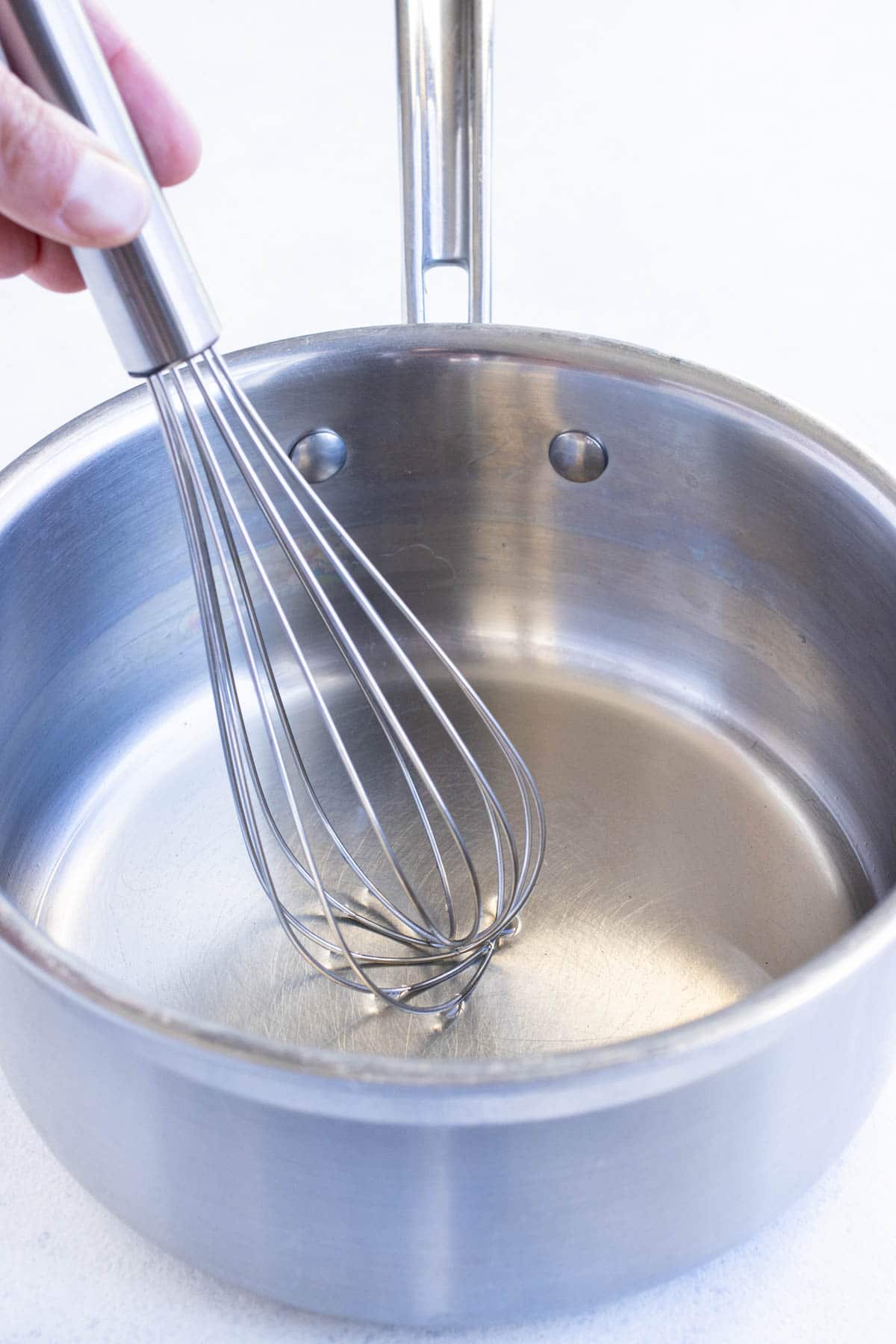
In a small saucepan, combine vinegar, sugar, and salt over medium heat.
Whisk consistently until sugar and salt have dissolved, about 2-3 minutes.
Season the rice.
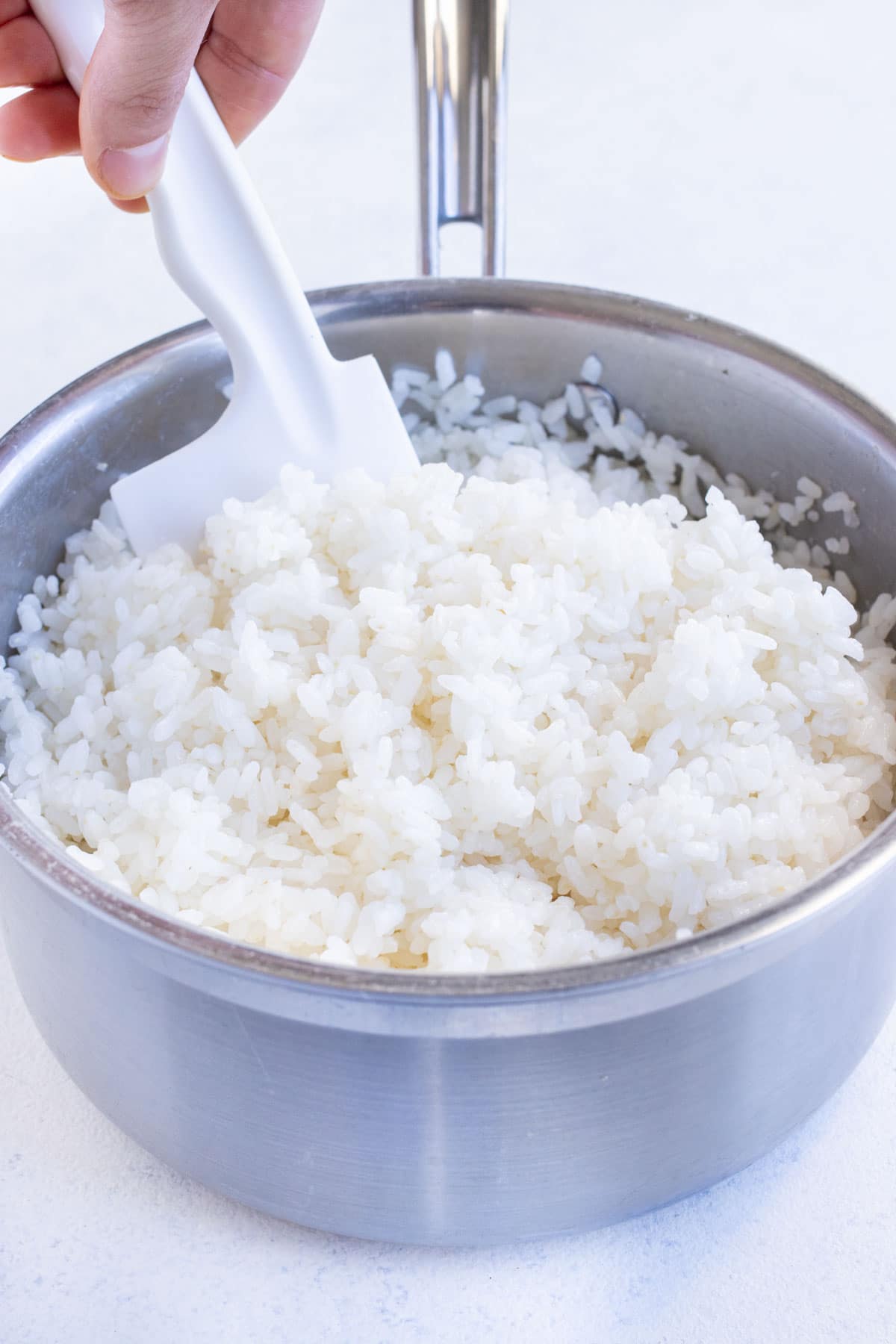
Place the cooked rice in a large bowl. Pour the seasoned vinegar evenly over the top.
Using a rice paddle or silicone spatula, carefully toss until the rice is well-coated. Be careful not to smush the grains. Rather, gently fold it until everything is evenly mixed
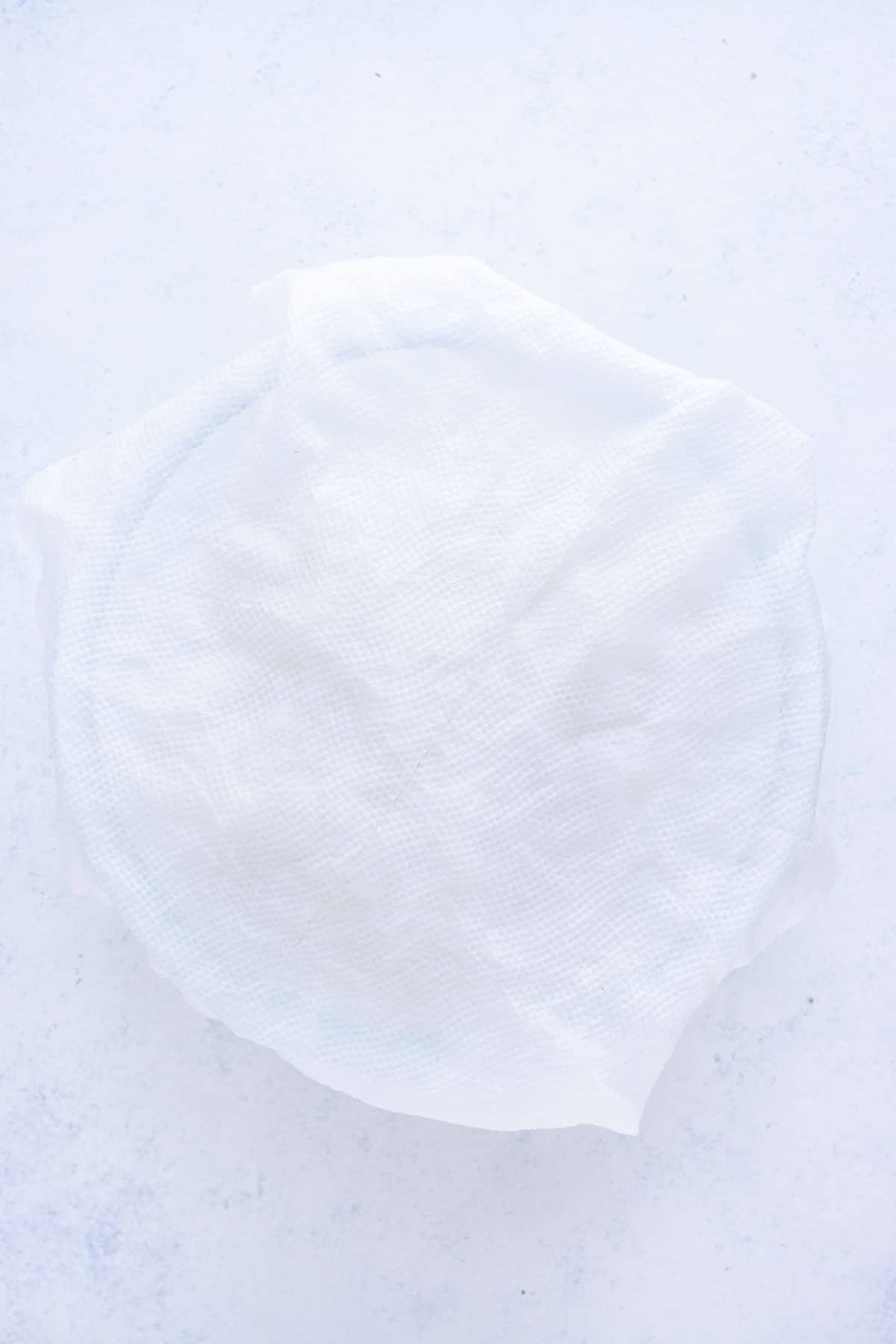
Cover the sticky rice with a damp paper towel to prevent it from drying out. Let it sit until it has completely cooled to room temperature.
FAQs
Yes, you definitely need to rinse sushi rice with water before you cook it. Without this step, the rice will clump together and be mushy.
Short-grain white rice, either Japanese or California, is best for sushi.
Yes. Standard rice is simply cooked and served. Sushi rice is cooked and then coated with a sweet vinegar mixture to give it that unique flavor.
Apple cider vinegar and white wine vinegar are both decent substitutes for rice vinegar. However, they will each result in a very different taste.
Store leftover sushi rice in an airtight container in the refrigerator for up to 5 days. To freeze, let the rice cool to room temperature, then seal it in an airtight container and freeze for up to 6 months.
What to serve it with?
The options are endless, but a few recipe ideas you can make once your rice is cooked:
Tap stars to rate!
How to Make Sushi Rice

email this recipe!
Ingredients
- 2 cups sushi rice
- 2 ½ cups water
- ¼ cup rice vinegar
- 1-2 tablespoons sugar
- 1 teaspoon salt to taste

Instructions
- Place sushi rice in a fine mesh strainer and rinse rice under running water for 2-3 minutes, or until water runs clear.2 cups sushi rice
- Bring water and rice to a boil, reduce heat to a simmer, cover the pot with a lid, and simmer for 20 minutes.*2 ½ cups water
- In a separate small saucepan combine vinegar, sugar, and salt over medium heat. Whisk until sugar and salt have dissolved, about 2-3 minutes.¼ cup rice vinegar, 1-2 tablespoons sugar, 1 teaspoon salt
- When rice is cooked, transfer it to a large bowl and then pour the seasoned vinegar evenly over top. Toss until the rice is well coated using either a rice paddle or a silicone spatula. And be careful not to smush the rice, gently fold it until it's evenly mixed.
- Cover the rice with a damp paper towel to prevent it from drying out and let it sit until it has cooled to room temperature.
- Use to make sushi rolls or serve it up in a vegetarian sushi bowl.
Tap stars to rate!
Video
Notes
- Vinegar: Rice vinegar has no added sugar and is the best to use.
- Rinsing: Rinsing the rice removes the extra starch, which is crucial to avoid mushy rice.
- Rice: Either a Japanese or California short-grain rice is the authentic type to use.
- Temperature: If you’re using it for sushi, wait until the rice is cool to the touch so it’s easy to handle.
Nutrition
Nutrition information is automatically calculated, so should only be used as an approximation.


way too sweet. only need a teaspoon of sugar.
Thanks for the feedback! Sweetness in sushi rice can definitely be a personal preference. Using less sugar is totally fine, and adjusting it to your taste is always encouraged. I’m glad you found an amount that works better for you.
Thank you for short but clear description how to make sushi.
Yay! So happy to hear you enjoyed the tips, Aldona! Thanks so much for taking the time to leave a comment!
Very easy and helpful
Yay! So happy to hear you enjoyed the recipe! Thanks so much for taking the time to leave a comment!
Short sweet. Easy!!!
Yay! So happy to hear you enjoyed the recipe! Thanks so much for taking the time to leave a comment and rating!
Perfect and delicious! Thank you!
Yay! So happy to hear you enjoyed the recipe, Christine! Thanks so much for taking the time to leave a comment and rating!
Where did the recipe notes go? I feel like there used to be instant pot instructions listed…
I’m sorry the notes have changed. Here is how to make sushi rice in an Instant Pot.
To make rice in an Instant Pot, combine rice and water in the pot. Choose the “Rice” function if available. If not, cook for 3 minutes then allow a 10-minute natural release. Here is the link to making Instant Pot Rice. https://www.evolvingtable.com/instant-pot-white-rice/
Authentic sushi rice!
Yay!! So happy you enjoyed the sushi. Thanks so much for your comment and rating 🙂