

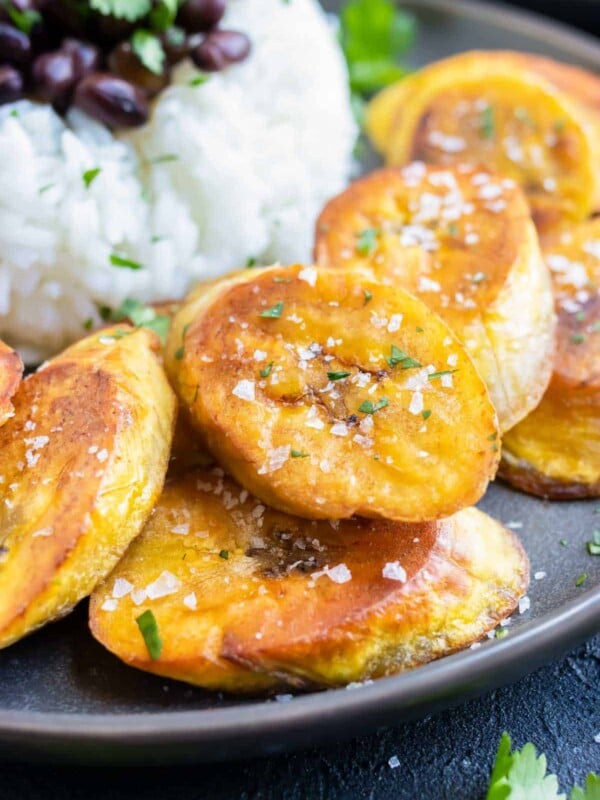

- What Is a Plantain? (And How It’s Different from a Banana)
- Ingredients and Substitutions
- Why Are My Plantains Hard? (And How to Fix It)
- Side or Dessert? Pick Your Finish
- Step-by-step Instructions
- Can You Make Fried Plantains in the Air Fryer?
- Make-Ahead, Storage, Freezing, and Reheating
- FAQs
- Fried Plantains Recipe
- What to Serve with Fried Sweet Plantains
- More Latin and Caribbean Sides
How a Costa Rica smoke alarm taught me to fry a plantain
On one of my first days in Costa Rica, I came back to the rental kitchen with a bunch of yellow plantains and a jar of coconut oil. I was determined to figure out how to make these Fried Sweet Plantains I’d been ordering at every meal.
Cue the burned batches and the smoke alarm. A few wasted plantains. The kitchen filled with that distinct smell of caramelized sugar gone slightly too far.
By the end of the week, I figured out the trick: ripeness is everything, the heat has to stay low and patient, and coconut oil is non-negotiable for that toasted, almost-tropical edge. Three plantains, three tablespoons of coconut oil, a pinch of salt to finish.
No deep-frying. No double-frying like tostones. No batter, no breading. Just slice, sauté, salt, and let the natural sugars do their thing.
We’ve eaten them as a side with Gallo Pinto, as a dessert with a little cinnamon sugar on top, and straight off the cutting board on more nights than I care to admit.
Why You’ll Love These Plantains
- Equally good as a side, a snack, or a dessert with a little cinnamon sugar.
- 3 ingredients, 25 minutes, one skillet.
- Ripeness coaching included since most home-cook plantain failures live there.
What Is a Plantain? (And How It’s Different from a Banana)
They look similar but they’re not interchangeable. Plantains are larger, thicker-skinned, and starchier than bananas. They need to be cooked before eating (raw plantain is unpleasant in the way raw potato is). They run from savory-starchy when green to dessert-sweet when fully ripe.
Bananas are sweet and edible at any stage. If a recipe calls for plantains, don’t sub bananas, they’ll turn to mush in the pan.
Ingredients and Substitutions
For the exact measurements and detailed instructions, please see the recipe card below.
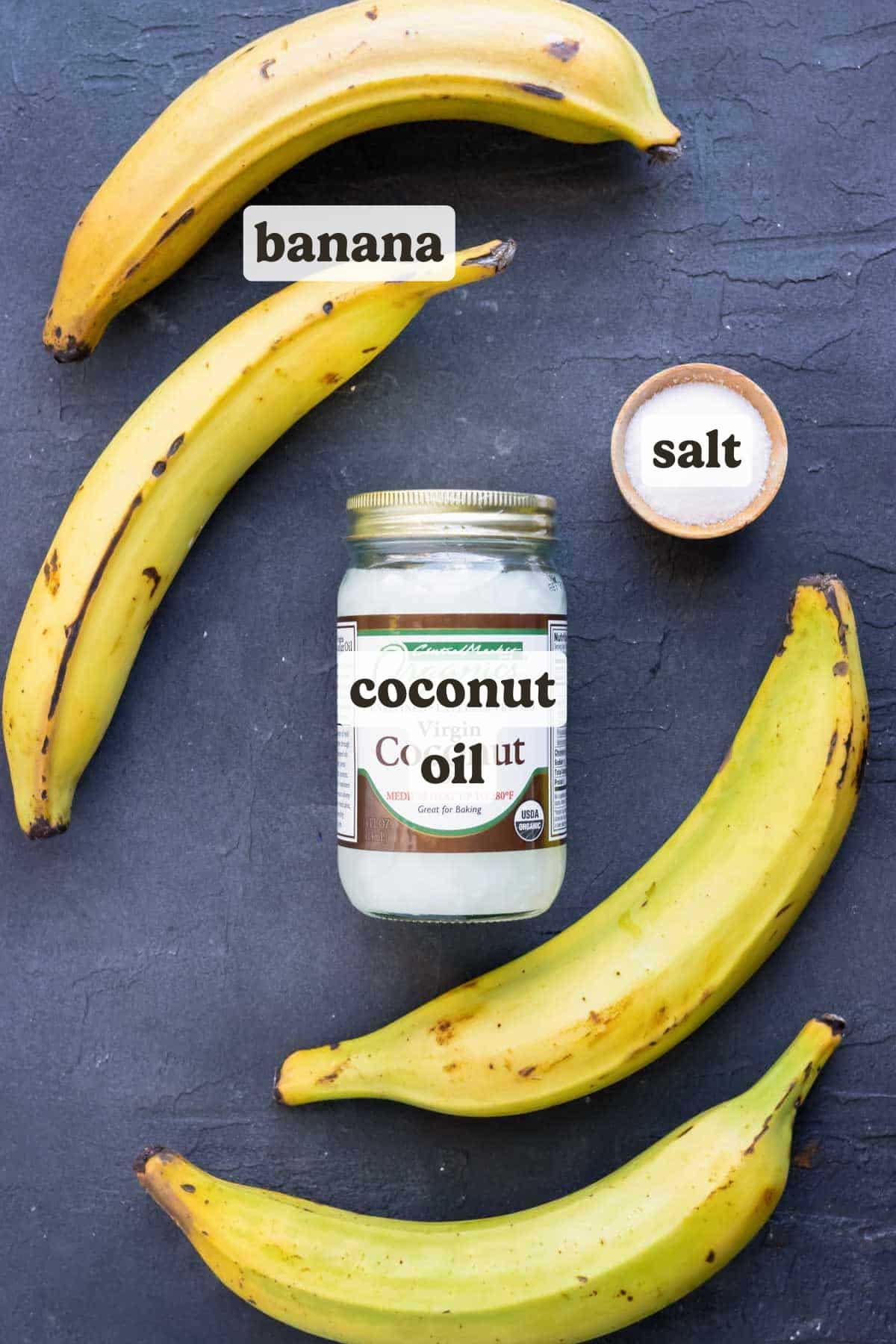
- Plantains: Look for yellow plantains with brown or black spots. The riper they are, the sweeter and softer the inside (which is what you want here). Green plantains are still starchy and won’t caramelize. If yours are too green, leave them on the counter for 3-5 days until they’re spotted-soft.
- Coconut Oil: Non-negotiable for that toasted, almost-tropical edge. Avocado oil works in a pinch, but coconut oil is the move. Skip the vegetable or olive oil, the flavor falls flat.
- Salt: A coarse sea salt or flaky finishing salt makes the contrast between sweet caramelized plantain and salty bite hit just right.
Why Are My Plantains Hard? (And How to Fix It)
The #1 reason home-cook plantains turn out hard, dry, or starchy: the plantains weren’t ripe enough. Every plantain recipe waves at this and nobody actually solves it. So here’s the ripeness ladder.
- Green: Hard, starchy, no sweetness. Use these for tostones (the savory double-fried version), not for sweet plantains. Leave on the counter 5-7 days to ripen.
- Bright yellow, no spots: Still too firm, still under-sweet. Wait 2-3 more days.
- Yellow with brown spots: Getting closer. Workable if you’re impatient, but not the sweet spot.
- Yellow-to-black with lots of black spots, soft when squeezed: This is what you want. Sugars are fully developed. They’ll caramelize beautifully and the middles will go pillow-soft.
- Almost fully black, very soft: Some say overripe, but I love them at this stage for the deepest caramel flavor. They’ll be fragile when you slice, handle gently.
The other failure mode: heat too high. Plantains need low-and-slow on medium-low. If your skillet is screaming hot, the outside burns before the inside cooks through. Patience is the whole game.
Side or Dessert? Pick Your Finish
Same plantains, two different finishes depending on what role they’re playing.
- As a side: Finish with a generous pinch of coarse sea salt right when they come out of the pan. The salt contrast is what makes the caramelized sweetness pop. Serve next to rice and beans, jerk chicken, or any Latin or Caribbean main.
- As a dessert: Skip the salt. Sprinkle with a dusting of cinnamon sugar (or a drizzle of honey) and serve over a scoop of vanilla ice cream. The crispy edges + warm-sweet middle + cold ice cream combo is unreasonably good.
Step-by-step Instructions
Please see the recipe card below for the full instructions, ingredient amounts, and a printable recipe.
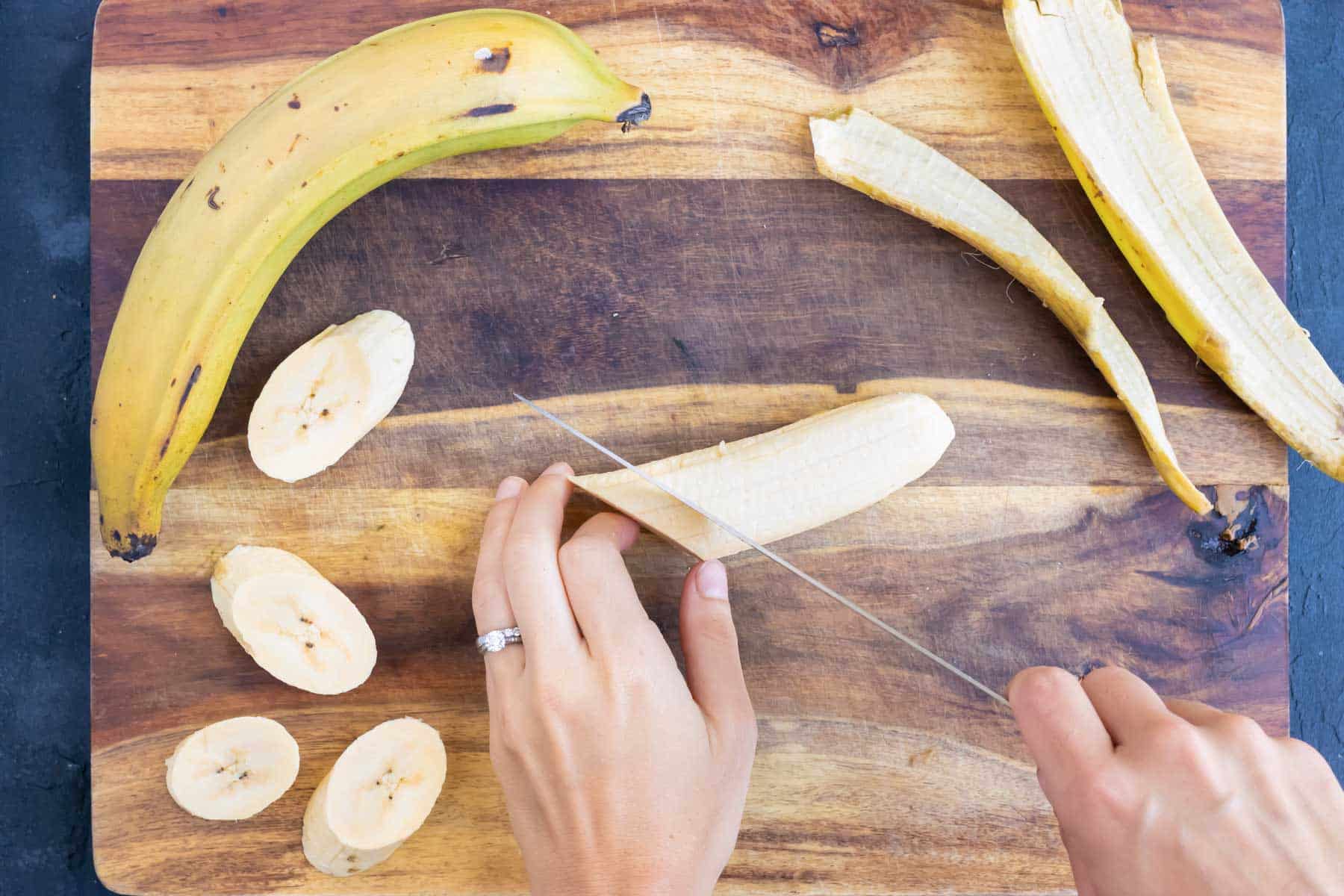
Peel and slice the plantains.
Peel the plantains and slice them on a bias (diagonal cut) about ½ to ¾ inch thick. The diagonal cut gives you more surface area for caramelization.
Cut thinner if your plantains are on the less-ripe side and thicker if they’re very ripe and soft.
Heat the coconut oil low and slow.
Add the coconut oil to a large skillet over medium-low heat. The temperature matters more than people think. Too hot and the outside burns before the inside cooks through.
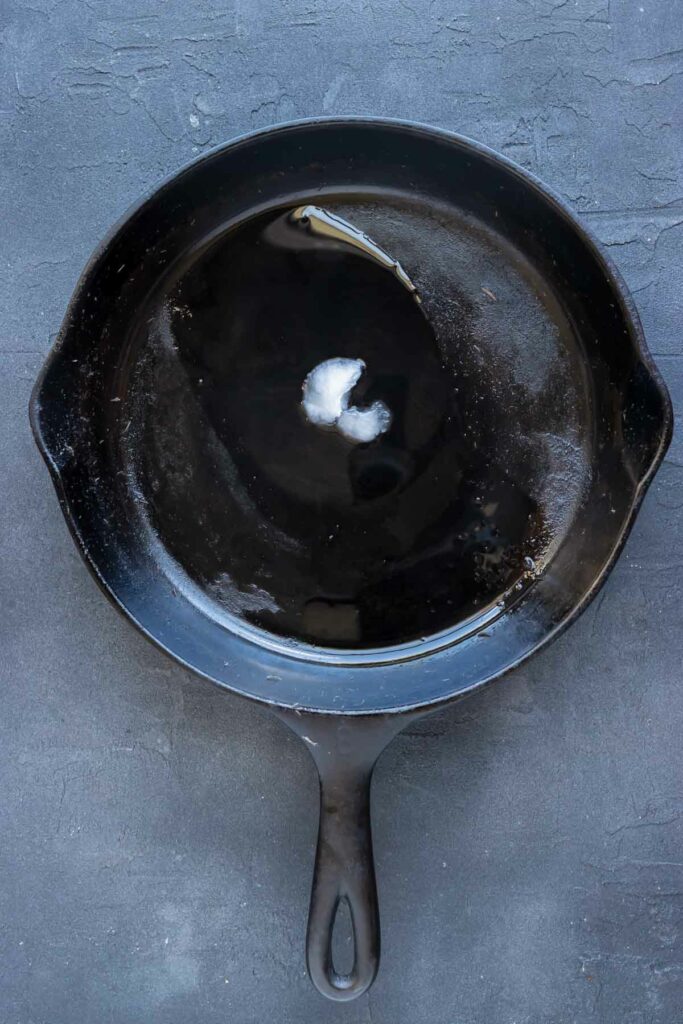
Cook in a single layer.
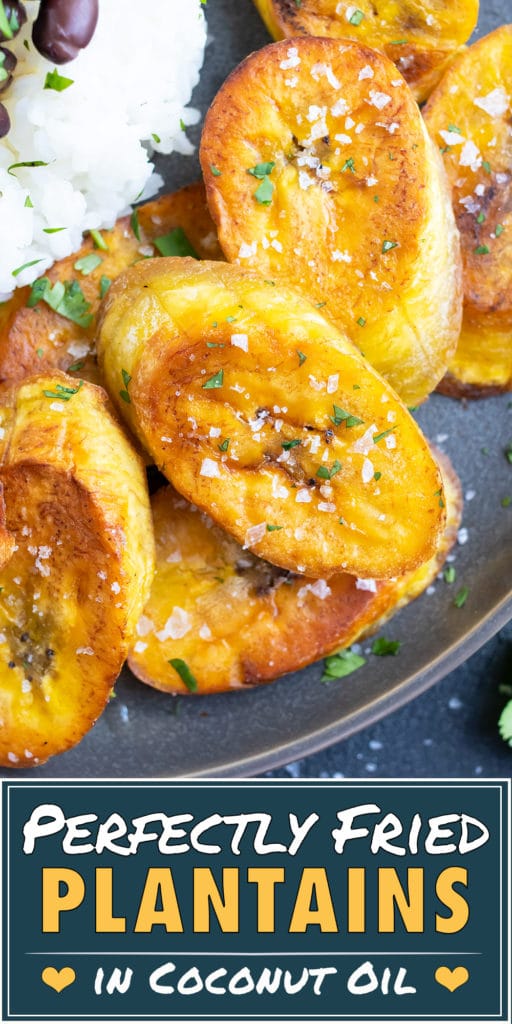
Place the plantain slices in a single layer in the skillet, no overlapping. Cook 4-5 minutes per side, until the edges are crisp and the middles are caramelized golden brown. Flip once.
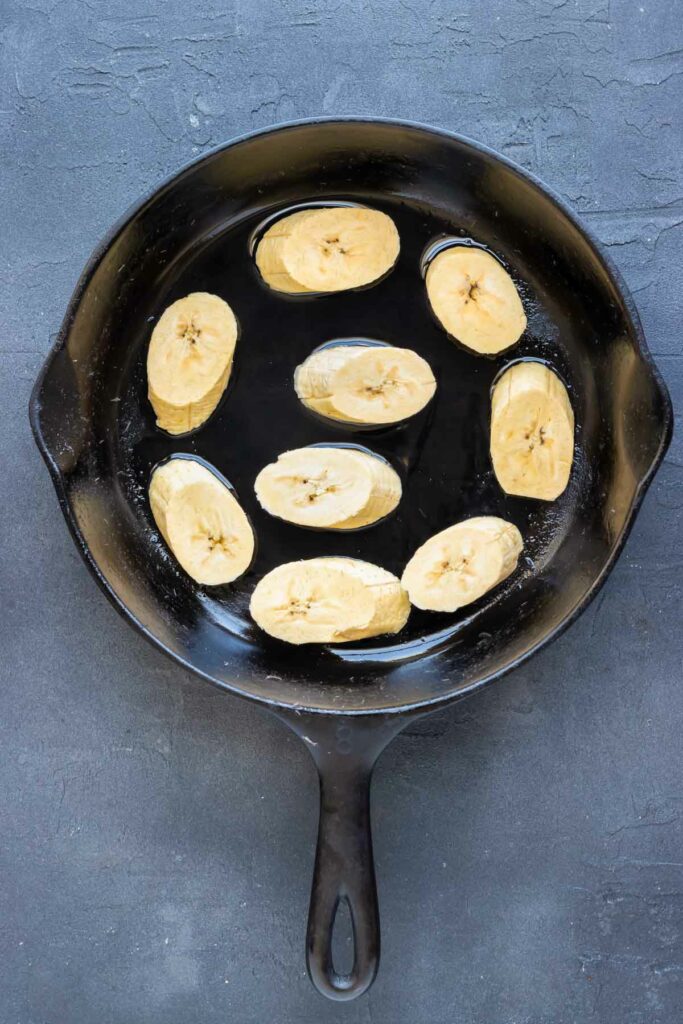
Drain and finish.
Transfer to a paper towel-lined plate to drain any excess oil. Finish with a pinch of coarse sea salt right away (or skip the salt and dust with cinnamon sugar for a dessert finish).
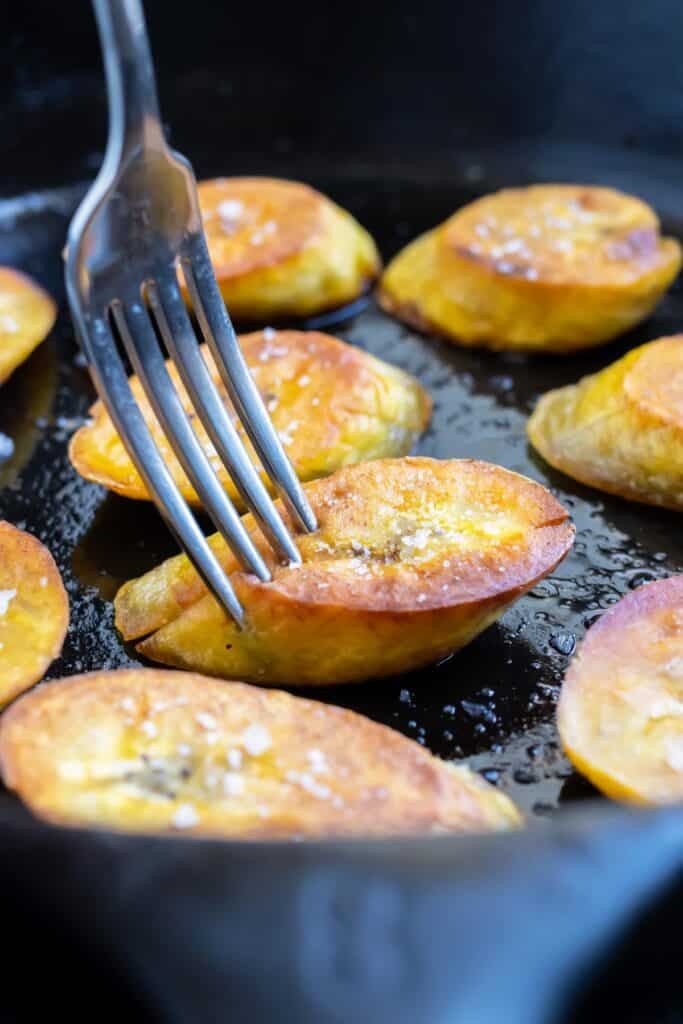
Make-Ahead, Storage, Freezing, and Reheating
Make-ahead: Honestly, plantains are best fresh from the pan when the contrast between crispy edge and soft middle is at its peak. If you need to make them ahead, slice and prep them up to a day in advance and just sauté right before serving.
Storing leftovers: Keep in an airtight container in the fridge for up to 3-4 days.
Freezing: Spread cooled plantains in a single layer on a baking sheet and freeze until solid, then transfer to a freezer bag for up to 3 months.
Reheating: A quick sauté in a hot skillet with a splash of coconut oil brings the crispness back. The air fryer at 350°F for 3-4 minutes also works well. Skip the microwave, it turns them sad and mushy.
FAQs
No. Sweet plantains don’t need a pre-boil. Boiling makes them mushy and waterlogged. Slice and sauté them as-is. (Tostones, the savory double-fried version, are a different story.)
Very ripe — yellow with lots of black spots, soft when gently squeezed. Bright yellow plantains without spots are still too firm and starchy. See the ripeness ladder above for specifics.
No. Plantains are starchier and less sugary than bananas, with a denser, more caramelized texture when fried. They register more like a dessert potato than a banana.
Two reasons: the plantains weren’t ripe enough, or the heat was too high. Cook on medium-low and use plantains with lots of black spots. (See the troubleshooting section above for the full ripeness ladder.)
A quick sauté in a hot skillet with a splash of coconut oil brings the crispness back. Air fryer at 350°F for 3-4 minutes also works. Skip the microwave.
Tap stars to rate!
Fried Plantains Recipe


email this recipe!
Ingredients
- 2 plantains ripened
- 3-4 tablespoons coconut oil
- Salt to taste

Instructions
- Cut plantains into 1-inch pieces at a diagonal.2 plantains
- Add 1-2 tablespoons coconut oil to a large skillet over medium-low heat. Place half of the plantains, cut side-down, into the skillet in a single layer.3-4 tablespoons coconut oil
- Cook plantains for 4-5 minutes per side, or until they are crispy and golden. Repeat with remaining plantains.
- Serve plantains with salt, to taste, and enjoy!Salt
Tap stars to rate!
Notes
- Ripeness: Be sure to let the plantains turn a brown color before using.
- Thickness: Slice the plantains into thicker slices if they’re overly ripe.
- Oil: Stick with coconut oil if at all possible.
Nutrition
Nutrition information is automatically calculated, so should only be used as an approximation.
What to Serve with Fried Sweet Plantains
Plantains are happiest next to anything Latin or Caribbean leaning, but they cross over into surprising places, too.
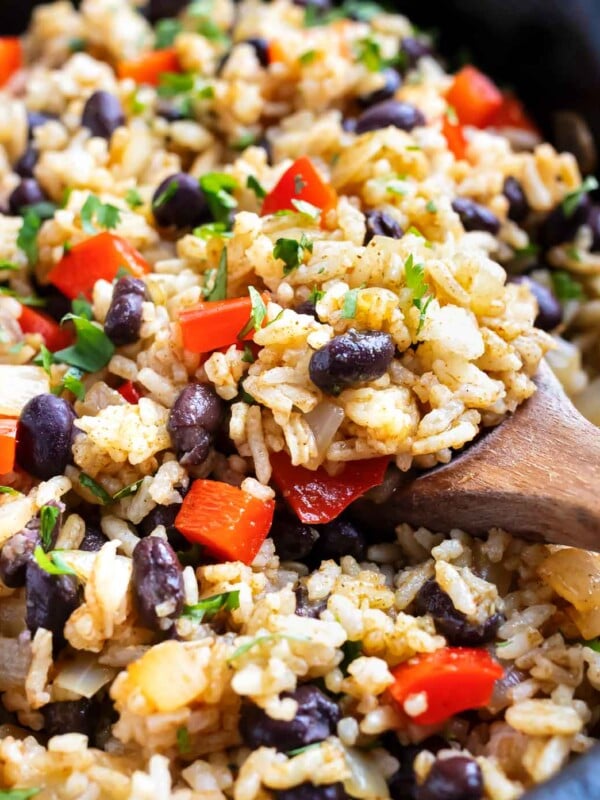
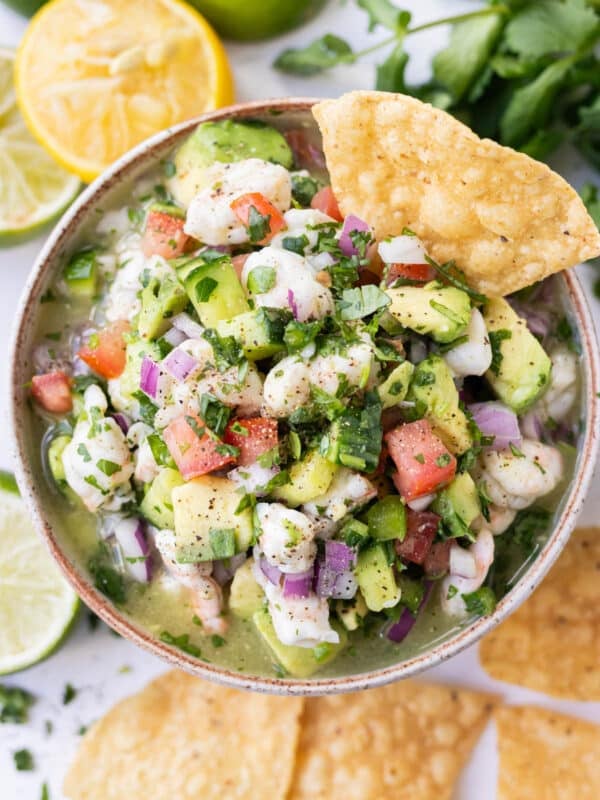
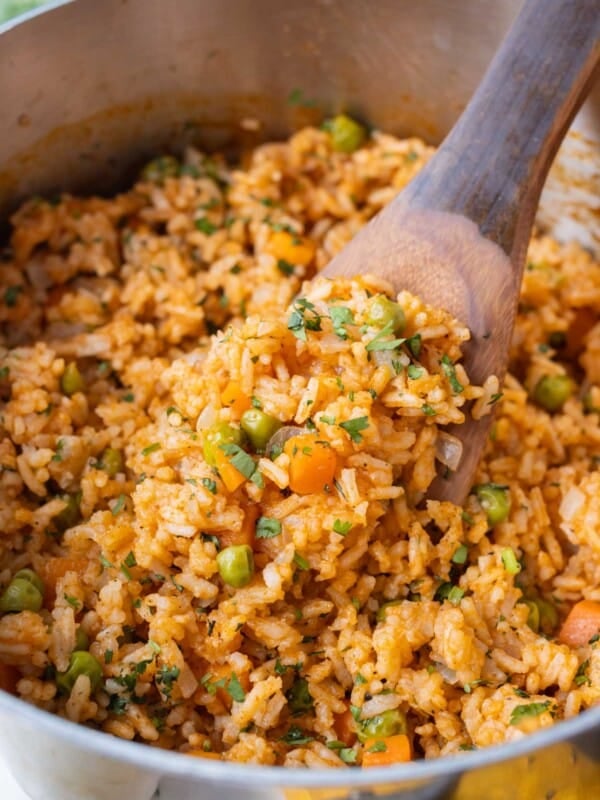
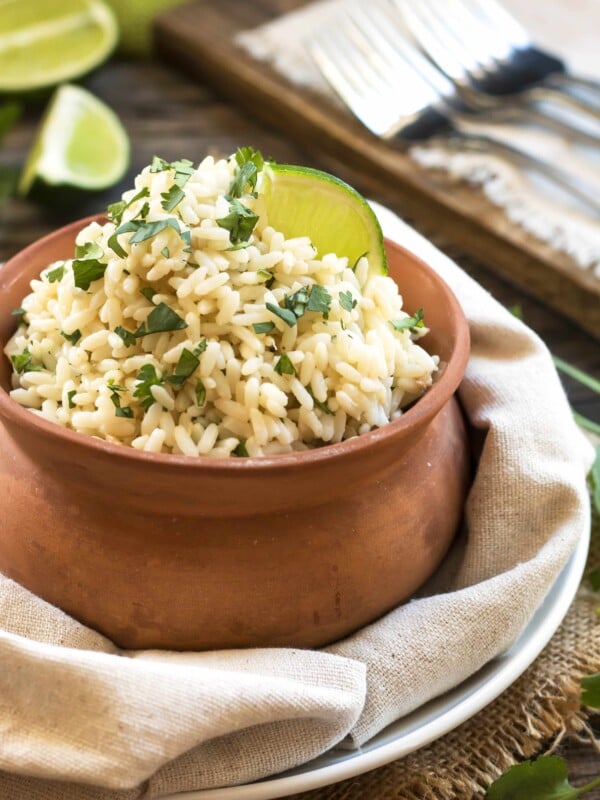
Classic pairing: serve them with Gallo Pinto for the full Costa Rican breakfast plate. They also play well with Restaurant-Style Mexican Rice, Easy Shrimp Ceviche with Avocado, or any grilled chicken, pork, or shrimp main.
And the dessert play: spoon them over vanilla ice cream with a dusting of cinnamon sugar. Don’t skip this, it’s a small life upgrade.
More Latin and Caribbean Sides
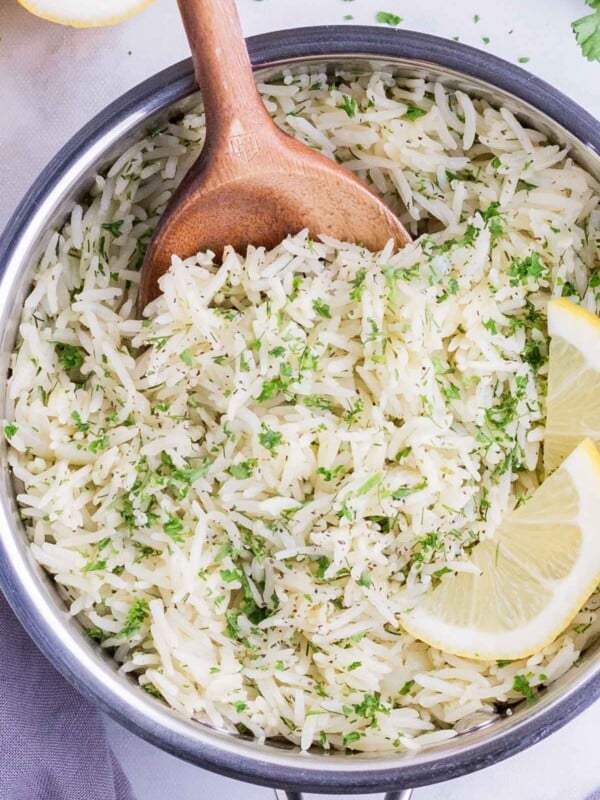
If you love how easy these came together, here are a few more we keep on rotation for taco nights and beach-vibe dinners.
should you put a lid on the pan
No need to cover the pan — it’s best to cook sweet plantains uncovered so they can caramelize and get that nice golden color. Covering them can trap steam and make them softer instead of slightly crisp on the outside. Hope you enjoy them!