

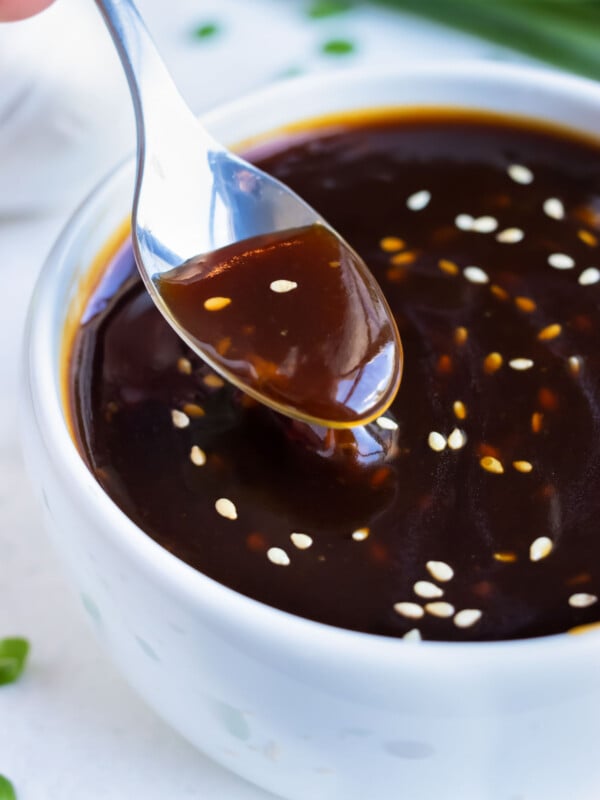

- What is Teriyaki Sauce?
- Ingredients and Substitutions
- Step-by-step Instructions
- How Do You Make Teriyaki Sauce Sticky?
- Quick vs. Sticky vs. Sweet: Three Versions, One Base Recipe
- How to Use Teriyaki Sauce
- How to Store Teriyaki Sauce
- FAQs
- Sticky Teriyaki Sauce Recipe
- Recipes that Use Teriyaki Sauce
- More Homemade Sauce Recipe
The day I stopped buying bottled teriyaki sauce.

Justin had been asking for teriyaki glazed salmon all week. I’d done a full Central Market run on Tuesday, somehow walked past the Asian aisle three times, and came home with everything except the actual sauce.
There I stood: Salmon thawed. Rice in the rice cooker. And an empty bottle of teriyaki sauce staring back at me from the recycling bin.
Curious, I flipped the bottle over to read the ingredient list (literally five things), and realized I had every single one in my pantry.
Soy sauce. Honey. Garlic. Ginger. Cornstarch. Plus a splash of rice vinegar I had on hand.
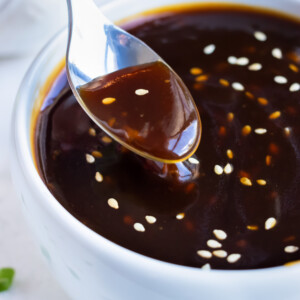
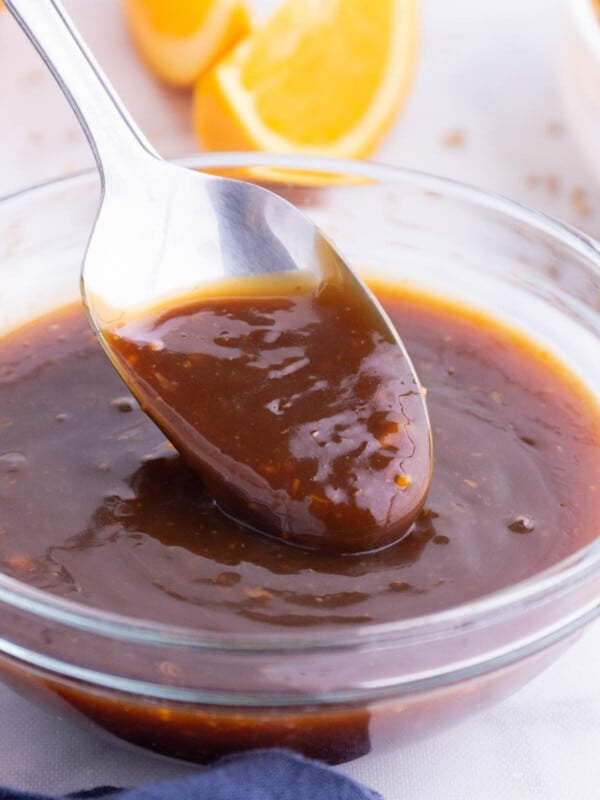
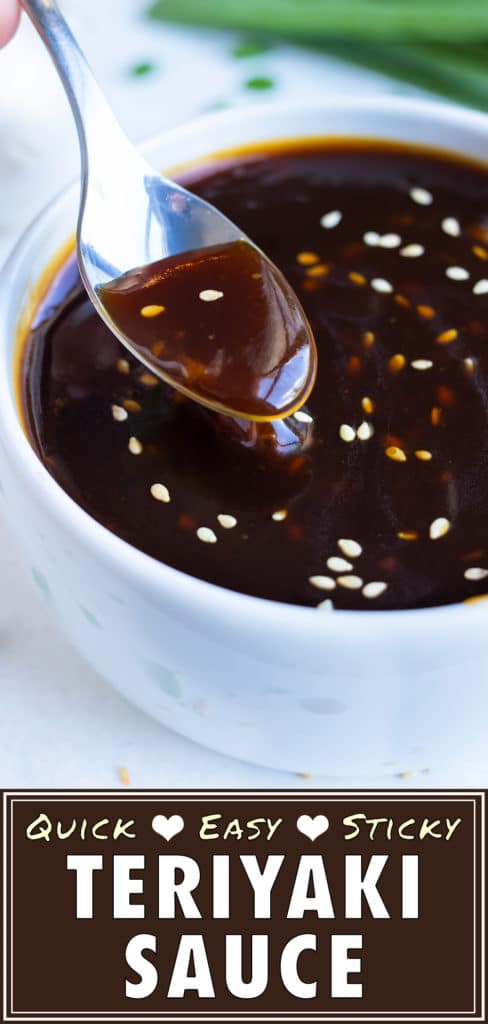
I simmered everything in a small saucepan, then whisked in a quick cornstarch slurry off the heat and brought it back to a low simmer until it coated the back of my spoon like a glaze. 10 minutes… start to finish.
Bottled teriyaki has been off my grocery list ever since. The homemade version tastes better, costs about a dollar to make, and you control exactly how thick or sticky you want it.
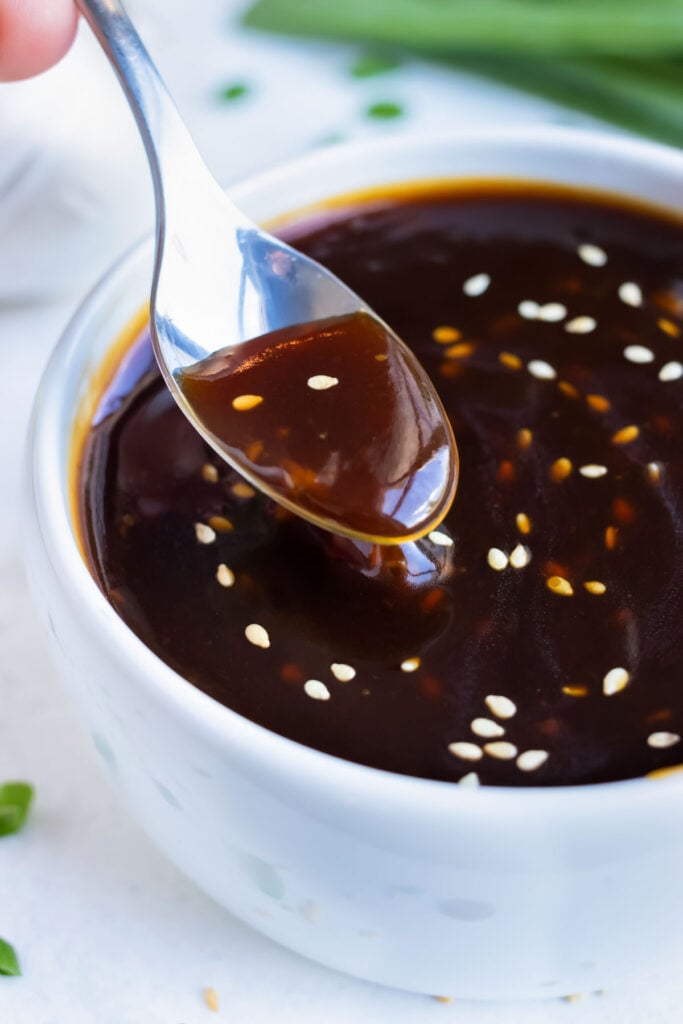
What is Teriyaki Sauce?
Teriyaki is a Japanese cooking technique. The word comes from teri (shine) and yaki (grilled or broiled), and traditional teriyaki uses a thin glaze of soy sauce, sake, mirin, and sugar brushed onto fish or meat as it cooks. The American version most home cooks know is sweeter and thicker. It leans on honey or brown sugar, adds garlic and ginger, and gets a cornstarch slurry to turn it glossy and pourable.
This recipe is the American-style version. It is built to be sticky enough to glaze chicken thighs and salmon, thin enough to drizzle over a rice bowl, and balanced enough to use as a marinade.
Ingredients and Substitutions
For the exact measurements and detailed instructions, please see the recipe card below.
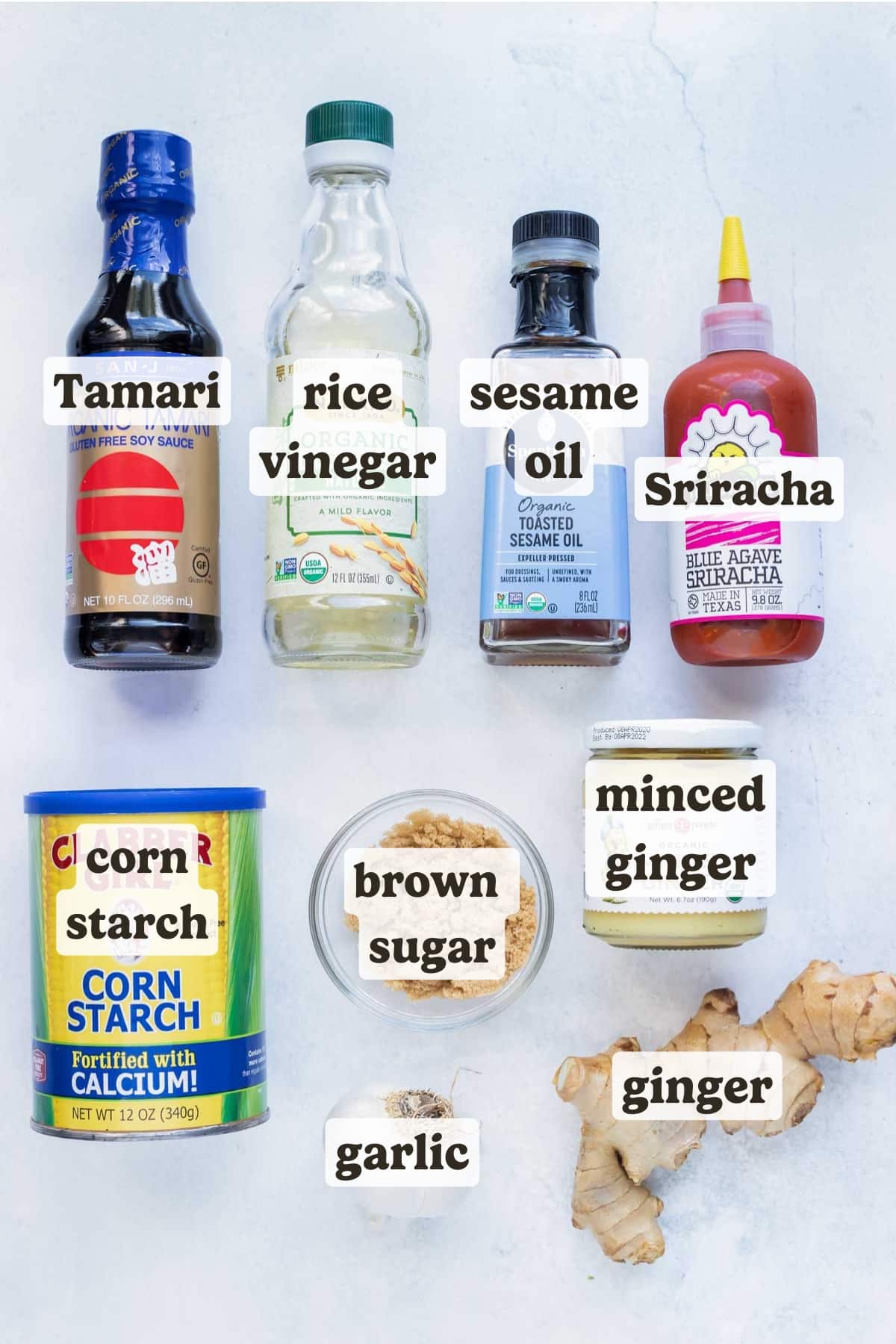
- Starch Slurry. A combination of water and cornstarch or tapioca starch that is whisked together. You can use arrowroot powder, as well. This gives the sauce a silky consistency.
- Soy sauce. This salty condiment makes up a large majority of the flavor profile. Since soy sauce is typically made from soybeans and wheat, most teriyaki sauces are not gluten-free. For a gluten-free teriyaki sauce, substitute the soy sauce for a gluten-free kind, Tamari, or even coconut liquid aminos. You can opt for low-sodium soy sauce if needed.
- Sugar. Brown sugar or coconut sugar can be used interchangeably in this recipe. If needed, you can sub in white sugar, but it won’t have the best flavor.
- Honey. A little bit of honey gives a wonderful floral undertone to the sauce. If you’re vegan you can also sweeten the sauce with pure maple syrup or agave nectar.
- Vinegar. Rice vinegar, not rice wine vinegar, adds a hint of acidity that helps balance out the sweetness of the other ingredients. If you have trouble finding rice vinegar, white wine vinegar or even lime juice are alternative options.
- Sesame Oil. It may seem like this ingredient wouldn’t matter very much, but it definitely does! Even just a teaspoon of this flavorful oil will give a lovely rich note to the sauce. Make sure you choose a toasted sesame oil.
- Sriracha. This spicy addition is optional and can be left out if you prefer less heat and more sweet.
Step-by-step Instructions
Please see the recipe card below for the full instructions, ingredient amounts, and a printable recipe.
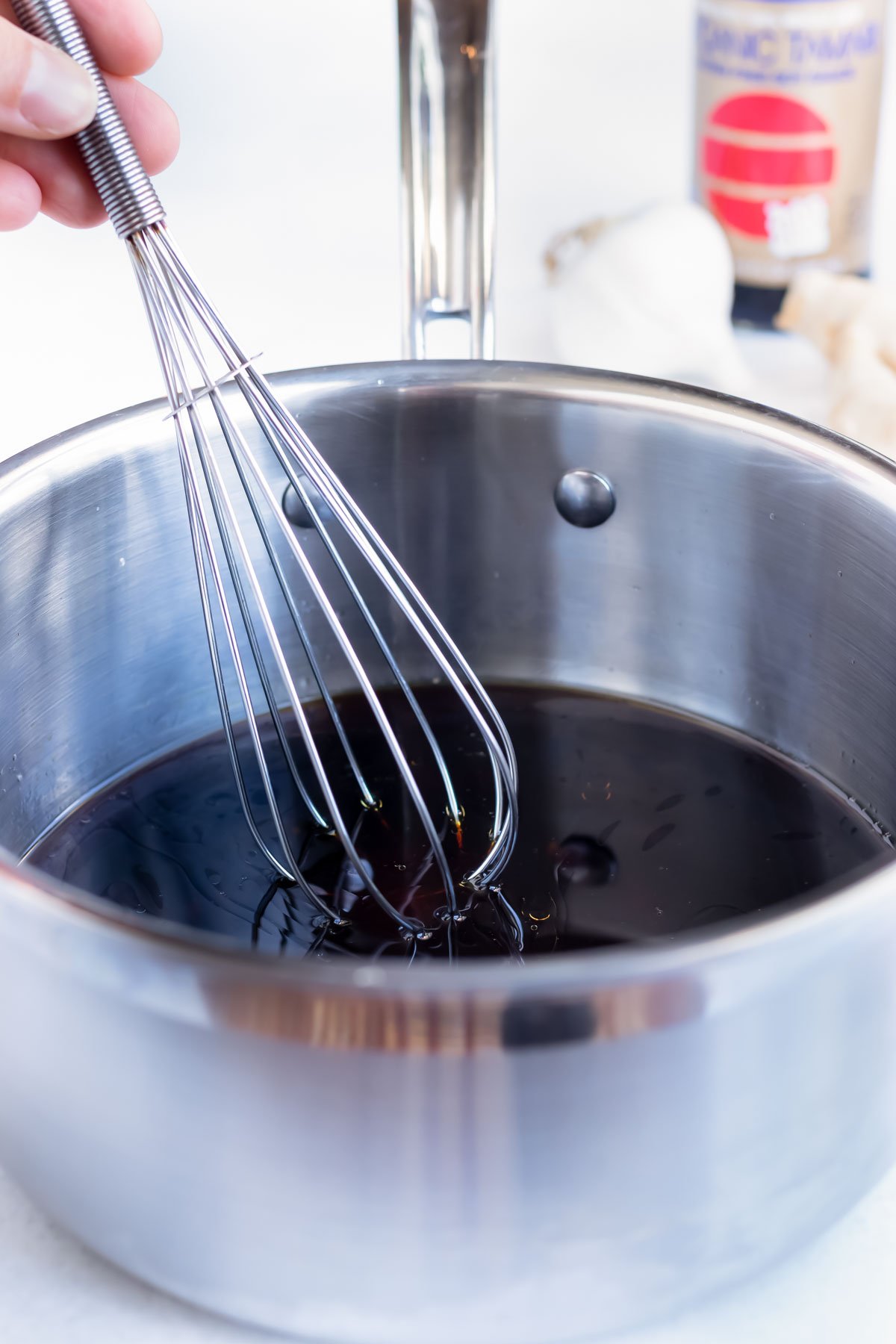
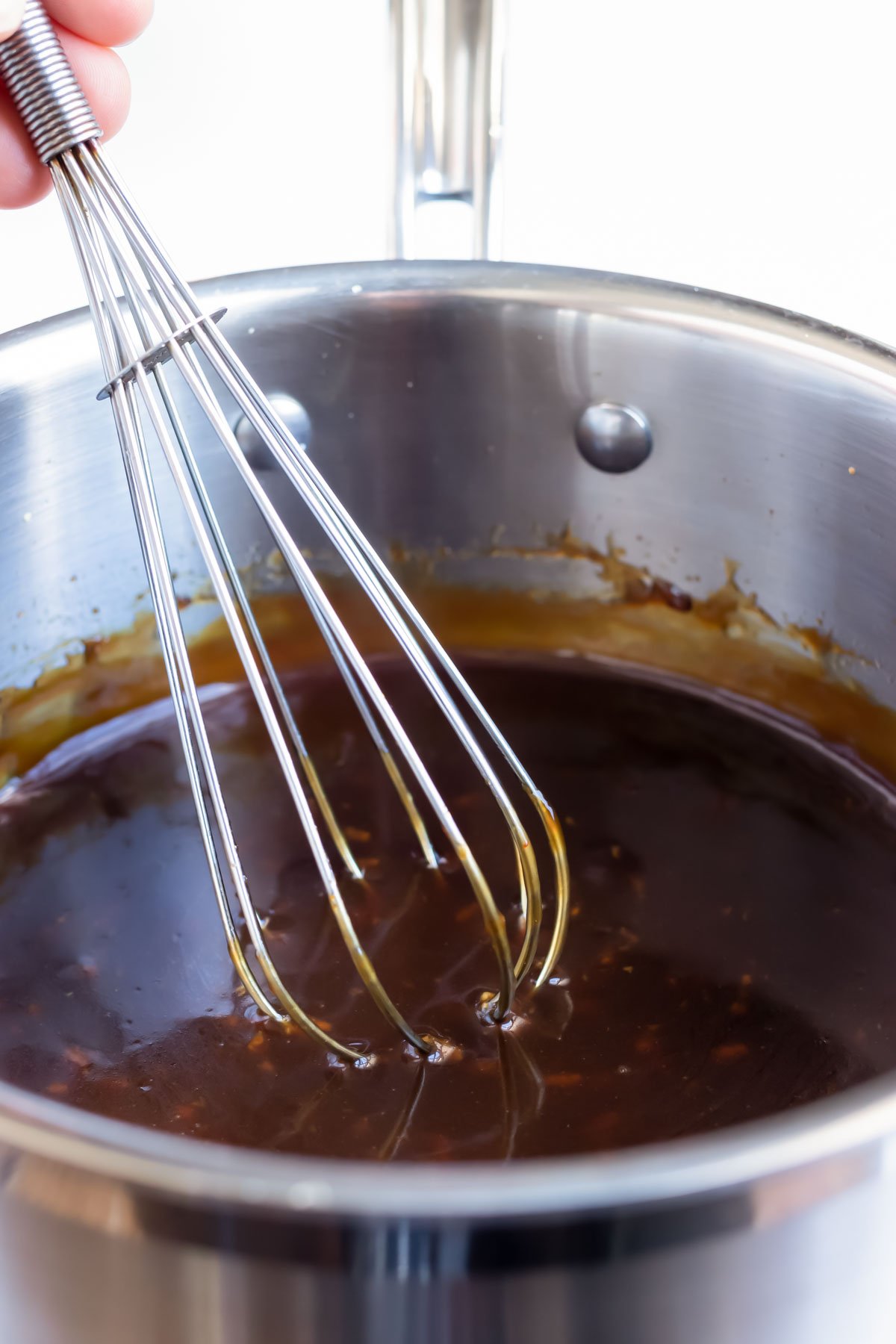
Make the base.
Mix soy sauce, water, vinegar, sugar, honey, garlic, ginger, sesame oil, and Sriracha in a medium-sized saucepan over high or medium heat.
Heat the sauce to a boil and then reduce the heat to low. Simmer for 1-2 minutes or until the sugar begins to dissolve.
Thicken the sauce.
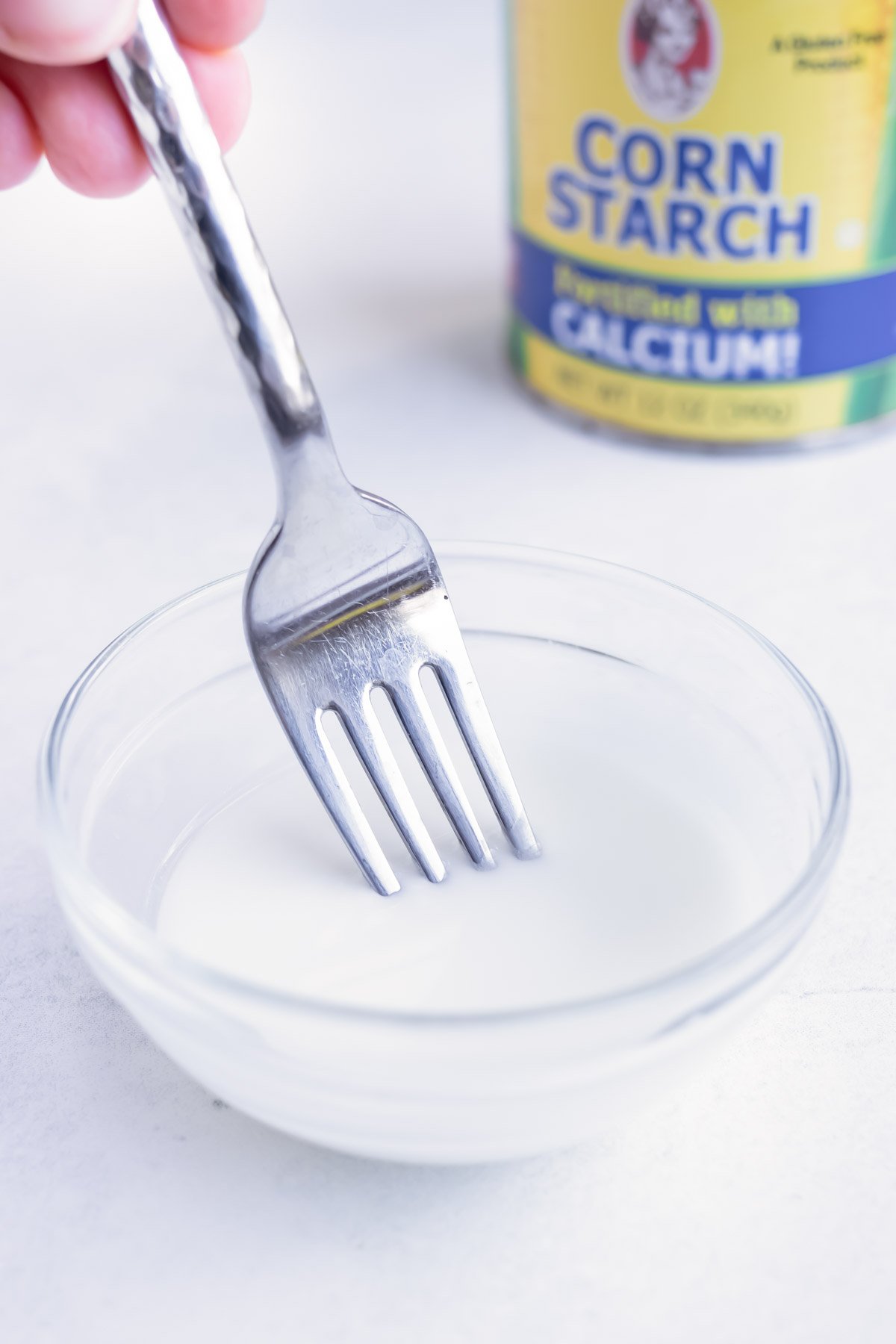
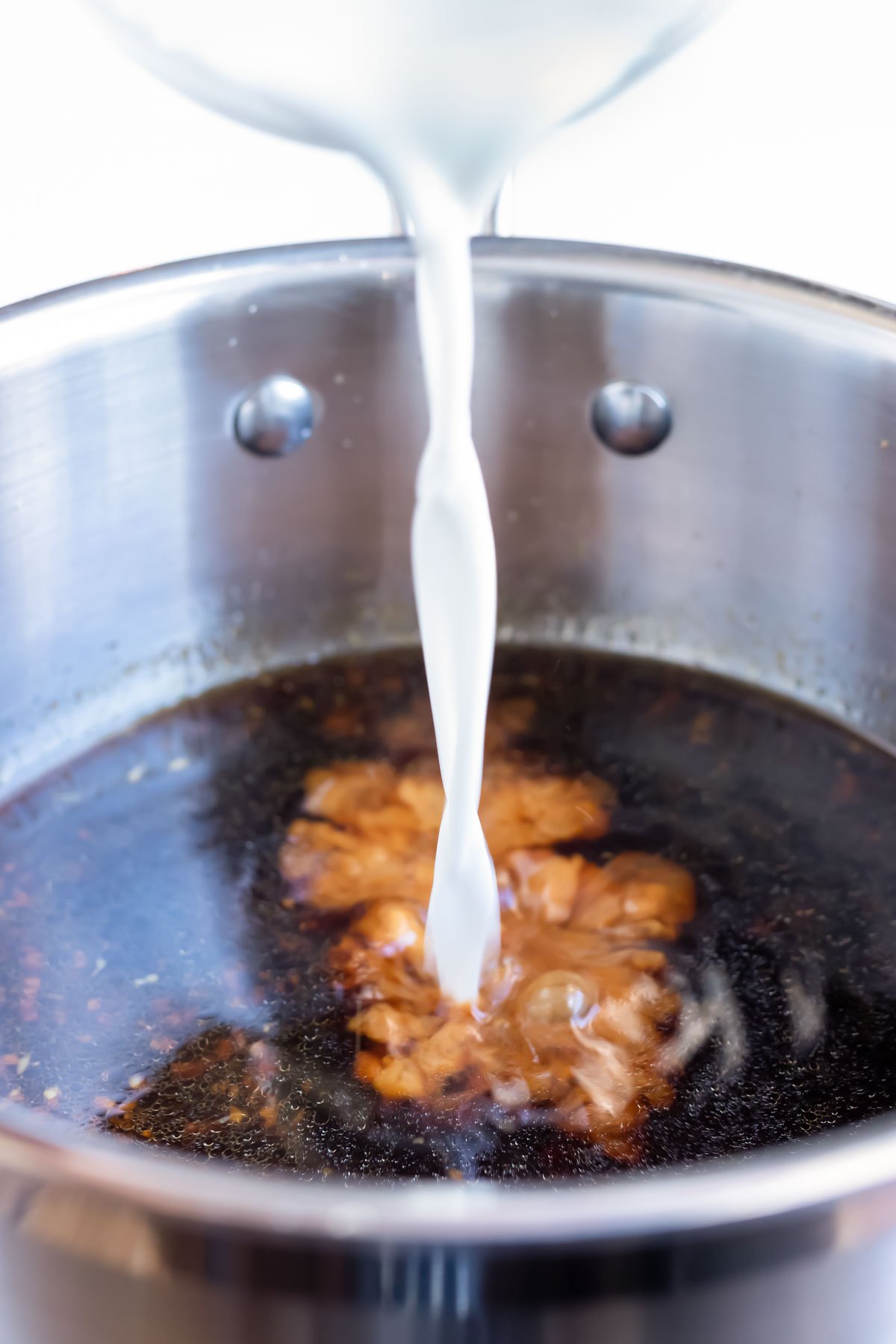
Make a starch slurry by whisking together corn starch and warm water in a small bowl until smooth. Arrowroot or tapioca starch may also be used. Add in the slurry to the saucepan; this will thicken the sauce.
Stir the sauce for 2-3 minutes over low heat until it is thickened to your desired consistency. Note that the sauce will thicken even more once it cools.
Quick vs. Sticky vs. Sweet: Three Versions, One Base Recipe
The same base ingredients can finish three different ways depending on how you simmer and what you adjust. Pick the variant that matches the dish you are making.
- Quick: Skip the cornstarch slurry. The sauce stays pourable and thinner. Best for stir fries, marinades, or drizzling over a finished rice bowl.
- Sticky: Add the full cornstarch slurry and simmer 2-3 minutes. The sauce coats the back of a spoon and clings to whatever you brush it on. Best for glazing salmon, chicken thighs, or broiled meatballs.
- Sweet: Bump the honey or brown sugar by 2 extra tablespoons. The sauce stays balanced but reads more dessert-like. Best for kid-friendly meals, salmon bites, or kabobs where you want the caramelization on the grill.
How to Use Teriyaki Sauce
Teriyaki sauce works in three different roles depending on when in the cooking process you reach for it.
- As a sauce. Drizzle it over already-cooked protein and rice. This is the easiest path, and it is what makes a 20-minute weeknight bowl feel like takeout.
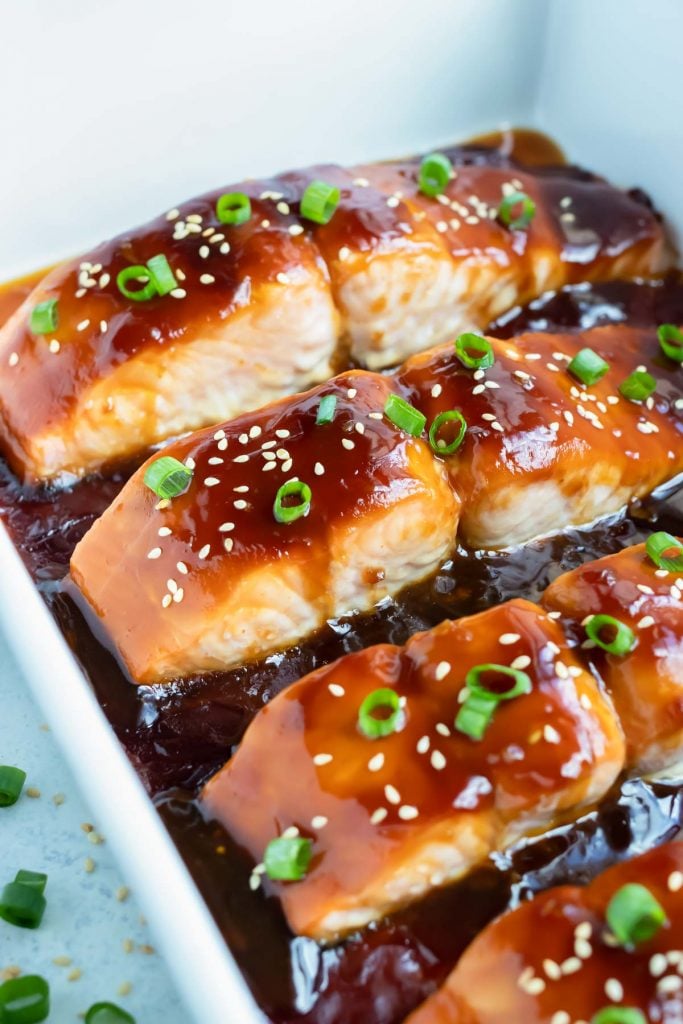
- As a glaze. Brush it on chicken thighs, salmon, or salmon bites during the last few minutes of broiling, baking, or grilling so the sugars caramelize. The cornstarch helps it cling instead of running off.
- As a marinade. Add raw protein to a bowl of teriyaki, cover, and refrigerate for 30 minutes (chicken or shrimp) up to 4 hours (steak or tougher cuts). The salt and sugar tenderize while the garlic and ginger flavor the meat all the way through.
How to Store Teriyaki Sauce
Cool the sauce to room temperature, then transfer it to an airtight glass jar or container. It will keep in the fridge for up to 2 weeks.
For longer storage, portion the cooled sauce into an ice cube tray, freeze until solid, then transfer the cubes to a freezer bag. Each cube is roughly 2 tablespoons, which is the perfect amount for marinating one piece of salmon or glazing a small batch of chicken thighs. Frozen sauce keeps for up to 3 months.
If the sauce thickens too much in the fridge, whisk in a splash of warm water to loosen it before using.
FAQs
The main difference between these two sauces is the ingredients. Soy sauce is actually the base of teriyaki sauce, along with many other Asian sauces. Soy sauce is salty and comes from the soybean. Teriyaki sauce has soy sauce along with garlic, honey, ginger, and other ingredients.
The key offender in teriyaki sauce that makes it unsafe for Celiacs is the soy sauce. For a gluten-free teriyaki sauce use either a gluten-free soy sauce, Tamari sauce, or coconut liquid aminos. You can substitute these alternatives in a one-to-one ratio.
Most teriyaki sauce recipes are vegan, but some will contain honey which is technically an animal product. To make a vegan sauce, substitute honey with equal amounts of pure maple syrup, agave nectar, or sugar.
Tap stars to rate!
Sticky Teriyaki Sauce Recipe

email this recipe!
Ingredients
- ⅓ cup soy sauce or Tamari regular, gluten-free, or Tamari sauce
- 1 tablespoon rice vinegar
- 2 tablespoons brown sugar
- 2 tablespoons honey or pure maple syrup
- 2 garlic cloves minced
- 1 teaspoon minced ginger
- 1 teaspoon toasted sesame oil
- 1 teaspoon Sriracha sauce optional
- 2 tablespoons cornstarch
- ¾ cup + 2 tablespoons water divided

Instructions
- Add all of the ingredients except for the starch and 2 tablespoons of water to a medium-sized saucepan over high heat.⅓ cup soy sauce or Tamari, 1 tablespoon rice vinegar, 2 tablespoons brown sugar, 2 tablespoons honey, 2 garlic cloves, 1 teaspoon minced ginger , 1 teaspoon toasted sesame oil, 1 teaspoon Sriracha sauce
- Bring sauce to a boil and then reduce heat to low. Simmer for 1-2 minutes or until sugar begins to dissolve.
- Make a starch slurry by whisking together starch and water in a small bowl until smooth. Add starch slurry to the saucepan.2 tablespoons cornstarch, ¾ cup + 2 tablespoons water
- Whisk sauce for 2-3 minutes over low heat until it is thickened to your desired consistency. (Sauce will thicken even more once it cools.)
- Use teriyaki sauce on chicken, salmon, or any other stir-fry!
Tap stars to rate!
Video
Notes
Nutrition
Nutrition information is automatically calculated, so should only be used as an approximation.
Recipes that Use Teriyaki Sauce
Once you’ve made the best teriyaki sauce at home, there are so many different recipes you can use it in! These are a few of my favorites.
Both Teriyaki Chicken Stir-Fry and Teriyaki Shrimp Stir Fry are so simple and tasty.
Baked Teriyaki Salmon is tasty and delicious.
You have to try these Beef Teriyaki Foil Packets, as well.
More Homemade Sauce Recipe
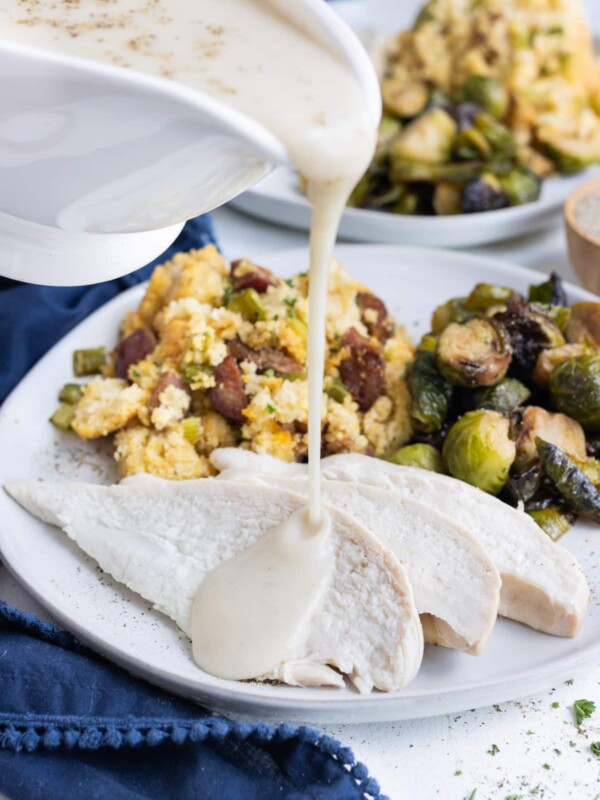
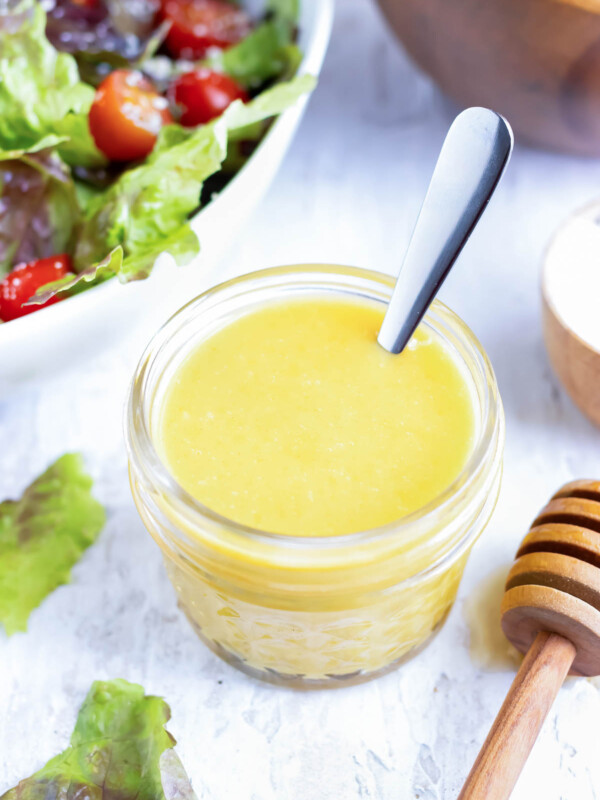
Once you start making sauces from scratch, it’s hard to stop. Here are a few more to keep the sauce-spiration going.

Great recipe, works great with other fish too.
I’m so glad you like this sauce and find many uses for it.